Pain Under Old Fillings: Is It Time for a Replacement?

Dental fillings are designed to restore teeth affected by decay and help protect them from further damage. While fillings can last for many years, they do not always last forever. Over time, normal wear, pressure from chewing, small cracks, or new decay around the filling may lead to discomfort or sensitivity.
Many patients initially ignore occasional pain under an old filling, especially if it comes and goes. However, persistent discomfort may be a sign that the tooth needs attention before the problem becomes more serious.
At Avalon Dental Group, our team works with families throughout Sugar Land and nearby communities to evaluate painful or aging fillings and recommend the most appropriate treatment based on the condition of the tooth. Dr. Yu, Dr. Kang, and our dental team focus on identifying the source of discomfort rather than simply treating symptoms alone.
This guide explains why pain can develop under old fillings, when a replacement may be needed, and what treatment options patients may expect after an evaluation.
Why Can an Old Filling Start Hurting?
A filling may look stable on the surface while changes begin underneath or around it. Teeth naturally experience years of pressure from chewing, grinding, temperature changes, and everyday use. Over time, fillings can wear down or lose their seal against the tooth structure.
Pain under an old filling may develop because of:
- Wear and breakdown of the filling material
- New decay forming around the edges
- Small cracks in the tooth
- Leakage beneath the filling
- Bite pressure or uneven chewing forces
- Tooth grinding or clenching
- Nerve irritation inside the tooth
Sometimes the discomfort appears suddenly, while in other cases it develops gradually over months or years.
Signs an Old Filling May Need Attention
Not every filling problem causes severe pain immediately. Some warning signs are subtle at first.
Common symptoms include:
- Sensitivity to cold or hot foods
- Pain when biting down
- Sharp discomfort while chewing
- Food getting trapped around the filling
- A rough or loose feeling
- Darkening around the filling edges
- Persistent tooth sensitivity
- Pressure or aching in one area of the mouth
If symptoms continue or become more frequent, it is important to have the tooth evaluated before the damage worsens.
Our dentists often help patients identify problems early, before they lead to more extensive treatment.
How Long Do Dental Fillings Last?
The lifespan of a filling depends on:
- The material used
- Size of the filling
- Oral hygiene habits
- Bite pressure
- Teeth grinding or clenching
- Regular dental care
Some fillings may last well over a decade, while others may need replacement sooner, depending on wear and the condition of the surrounding tooth.
Even if a filling still appears intact, the tooth underneath may change over time. Routine dental exams help monitor aging restorations before symptoms become severe.
When Replacing a Filling May Help
Replacing an old filling may be recommended if:
- The filling is cracked or worn
- Decay has developed underneath
- The filling no longer seals properly
- The tooth has become sensitive or painful
- There are visible gaps or leakage
- The filling has broken or loosened
In many cases, replacing the filling can restore comfort and protect the remaining tooth structure from further damage.
At our Sugar Land office, Dr. Yu, Dr. Kang, and our team carefully examine the tooth and the surrounding area before recommending treatment or replacement. We use modern composite fillings designed to blend seamlessly with your teeth, so restorations look more natural without the noticeable appearance often associated with older filling materials. Our goal is always to preserve as much healthy tooth structure as possible while restoring long-term comfort, function, and confidence in your smile.
When Replacing the Filling Alone May Not Solve the Problem
Pain under an old filling does not always mean the filling itself is the only issue.
Sometimes the tooth has underlying damage that requires additional treatment beyond simply replacing the restoration.
This may happen when:
- Decay has reached deeper layers of the tooth
- A crack extends into the tooth structure
- The nerve inside the tooth is inflamed or infected
- Large portions of the tooth have weakened
- Bite problems are creating ongoing stress
This is why proper diagnosis is important before treatment begins.
What Happens During the Diagnosis?
When evaluating pain under an old filling, the dental team may:
- Examine the filling and the surrounding tooth structure
- Take digital X-rays
- Check for bite pressure issues
- Test tooth sensitivity
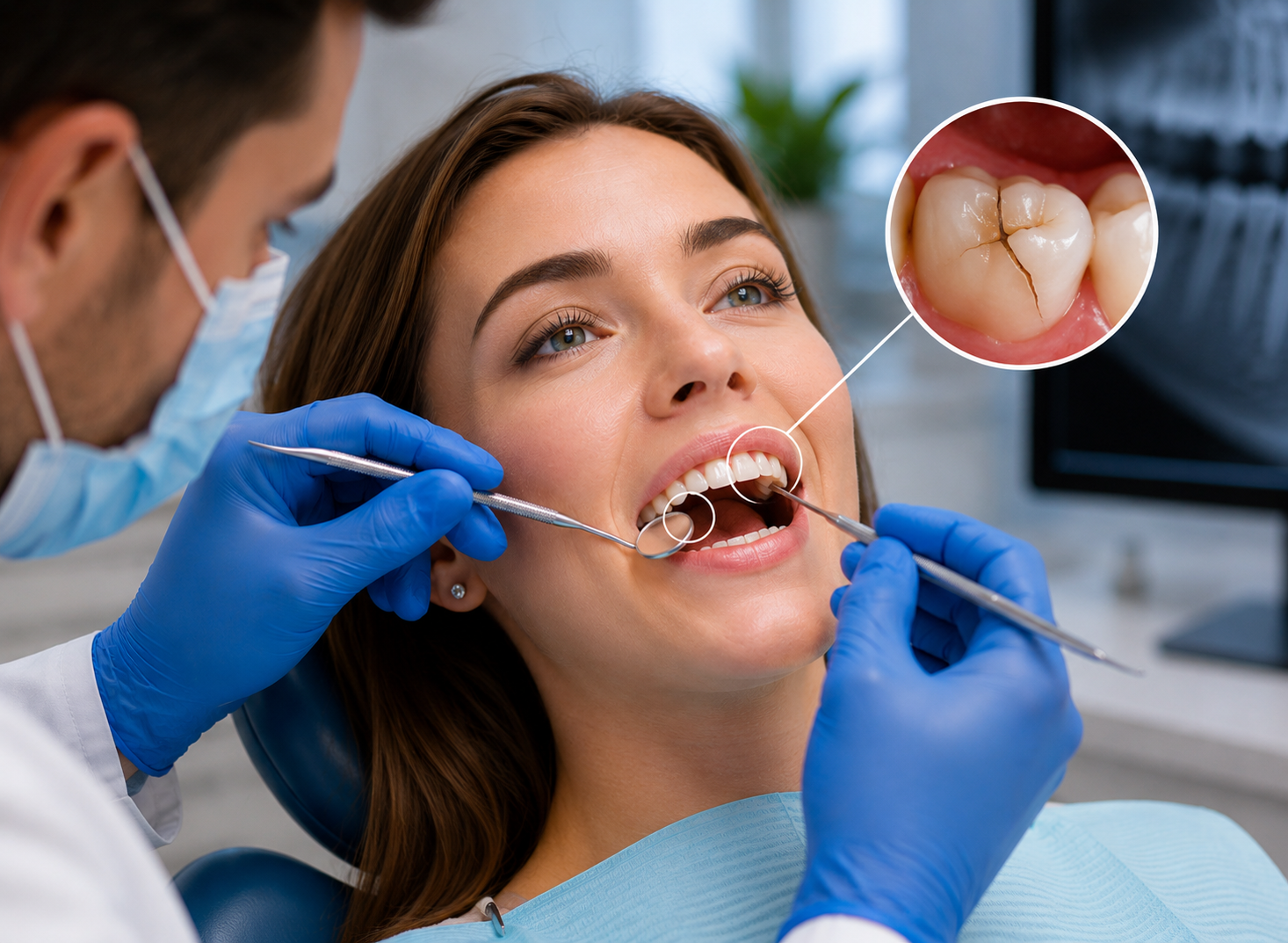
- Evaluate for cracks or hidden decay
- Assess gum health around the area
We focus on identifying the true cause of discomfort, so treatment recommendations are based on the condition of the tooth rather than temporary symptom relief alone.
Treatment Options That May Be Recommended
Treatment depends on how much of the tooth remains healthy and whether the nerve has been affected.
Filling Replacement
If the problem is limited to wear, leakage, or minor decay, replacing the filling may be enough to restore the tooth.
Modern filling materials are designed to blend naturally with surrounding teeth while supporting daily function.
Dental Crown
If the tooth has become weakened or contains a very large filling, a dental crown may be recommended to provide additional protection and strength.
Crowns are often used when:
- Cracks are present
- Large portions of the tooth structure are damaged
- Repeated filling replacements are no longer ideal
- The tooth is at risk of breaking
Root Canal Therapy
If infection or inflammation reaches the inner nerve of the tooth, root canal treatment may be necessary to remove damaged tissue and preserve the tooth.
Common signs may include:
- Lingering sensitivity
- Throbbing pain
- Swelling
- Pain that interrupts sleep
- Significant discomfort while chewing
After treatment, the tooth is often restored with a crown for long-term protection.
Can You Prevent Problems With Old Fillings?
While fillings naturally experience wear over time, regular dental care can help detect small problems earlier.
Helpful preventive steps include:
- Routine dental exams
- Professional cleanings
- Avoiding chewing ice or hard objects
- Managing teeth grinding
- Maintaining good oral hygiene
- Addressing sensitivity early
Many filling problems become easier to treat when caught before more serious damage develops.
Why Early Evaluation Matters
Pain under an old filling may seem minor at first, but waiting too long can allow decay or structural damage to progress further.
Early treatment may help:
- Prevent worsening pain
- Preserve more natural tooth structure
- Reduce the need for larger restorations
- Avoid infection spreading deeper into the tooth
- Improve long-term oral health outcomes
At Avalon Dental Group, we work closely with patients and families throughout Sugar Land to evaluate concerns early and provide personalized treatment recommendations based on each patient’s needs. Contact us today to schedule an evaluation and let our team help determine whether your old filling may need attention or replacement.
Protecting Your Teeth and Long-Term Oral Health
Pain under an old filling should not be ignored, especially if the discomfort continues or worsens over time. Early evaluation can help determine whether the tooth simply needs a new filling or additional treatment is necessary to protect it long-term.
At Avalon Dental Group, Dr. Yu, Dr. Kang, and our team provide comprehensive dental care for families in Sugar Land and surrounding communities. Whether you are experiencing tooth sensitivity, discomfort while chewing, or concerns about aging dental work, we are here to help you understand your options and restore your comfort with personalized care.
Frequently Asked Questions
Is it normal for an old filling to hurt years later?
It can happen. Fillings may wear down, leak, crack, or develop decay around the edges over time, leading to sensitivity or discomfort.
How do I know if my filling needs to be replaced?
Pain, sensitivity, rough edges, food trapping, discoloration, or discomfort while chewing may indicate that the filling should be evaluated.
Can a cavity form under a filling?
Yes. New decay can develop around or beneath older fillings, especially if the seal between the filling and tooth weakens over time.
Will replacing the filling stop the pain?
It depends on the cause. Some teeth improve after filling replacement, while others may require crowns, root canal therapy, or additional treatment if deeper damage is present.
Are modern fillings better than older metal fillings?
Modern tooth-colored fillings offer excellent aesthetics and bond directly to tooth structure, though the best material depends on the condition and location of the tooth.