Can a Cracked Tooth Heal on Its Own? What Sugar Land Dentists Want You to Know

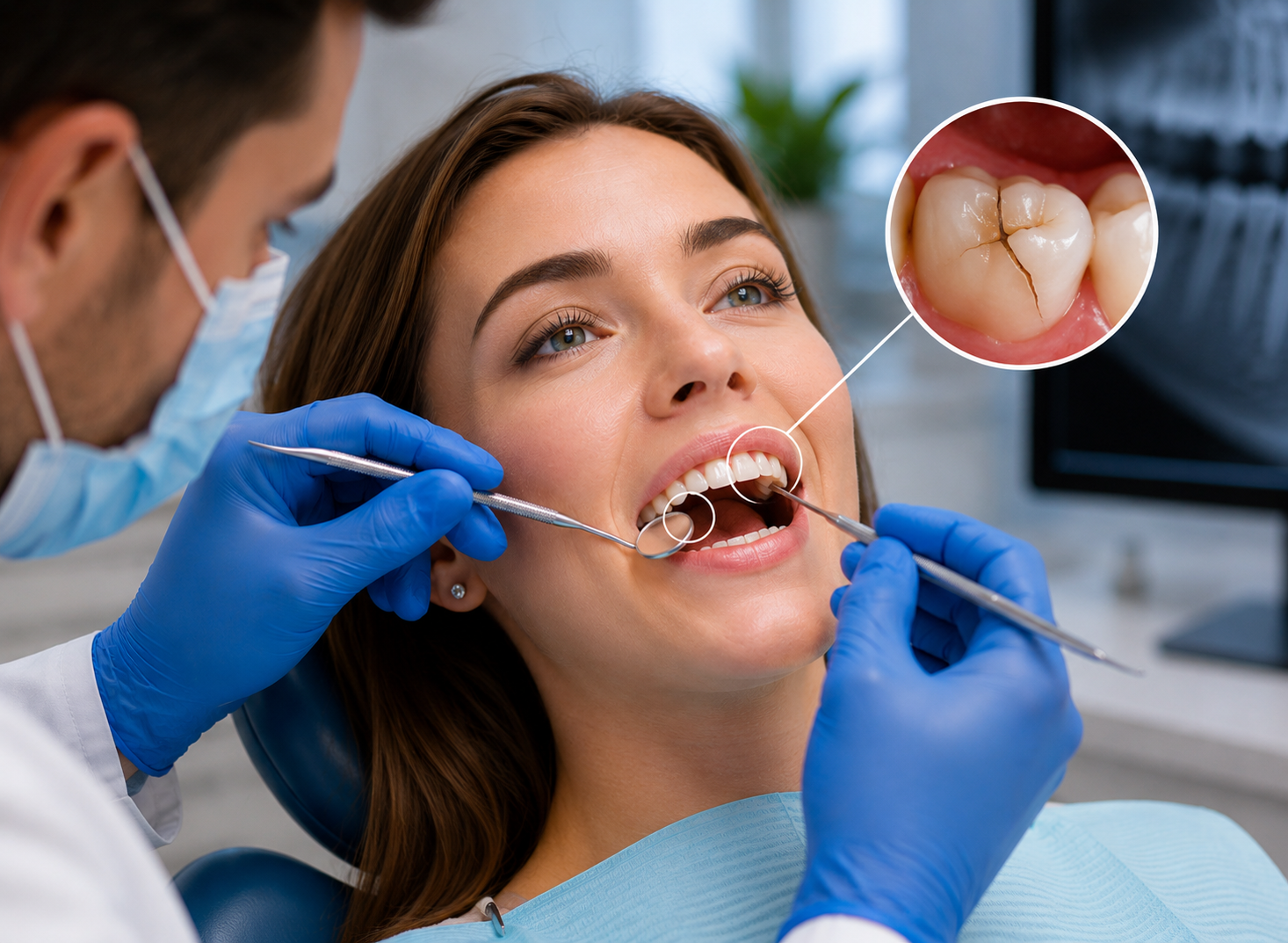
A cracked tooth can happen when you least expect it, while biting into hard candy, chewing ice, playing sports, or even grinding your teeth while you sleep. Many people believe a small crack will heal on its own if the pain goes away, but unfortunately, that’s not how teeth work.
Unlike bones, tooth enamel cannot repair itself. According to the American Association of Endodontists (AAE), cracked teeth are one of the leading reasons adults require restorative dental treatment. Even a tiny crack can gradually worsen, allowing bacteria to enter the tooth and increasing the risk of infection, severe pain, or even tooth loss.
At Avalon Dental Group, our doctors provide expert cracked tooth repair for patients throughout Sugar Land, Katy, Richmond, Missouri City, and nearby communities, helping diagnose and treat damaged teeth before they become more serious dental problems. Their goal is always to preserve your natural tooth whenever possible while restoring your comfort and long-term oral health.
Knowing the early warning signs can help you avoid more complex and costly treatment later.
Why a Cracked Tooth Won’t Heal on Its Own
Although tooth enamel is the hardest substance in the human body, it doesn’t contain living cells that allow it to regenerate after damage.
Every time you chew, bite, or grind your teeth, additional pressure can cause the crack to spread deeper into the tooth. What begins as a small fracture may eventually reach the inner pulp, where nerves and blood vessels are located.
The sooner a cracked tooth is diagnosed, the better the chances of saving it with conservative treatment.
Common Signs You May Have a Cracked Tooth
Not every cracked tooth causes constant pain, making it easy to overlook in the early stages.
Some common warning signs include:
- Sharp pain when biting or chewing
- Sensitivity to hot, cold, or sweet foods
- Pain that comes and goes without warning
- Swelling or tenderness around one tooth
- A rough or chipped edge you can feel with your tongue
If you notice any of these symptoms, schedule a dental evaluation promptly to help prevent further damage.
What Causes Teeth to Crack?
Cracked teeth often result from everyday habits rather than a single accident.
Some of the most common causes include:
- Chewing ice, popcorn kernels, or hard candy
- Grinding or clenching your teeth (bruxism)
- Sports injuries or accidental trauma
- Large fillings that weaken the remaining tooth structure
- Sudden temperature changes between very hot and cold foods.
- Natural wear as teeth age
Even healthy-looking teeth can develop small fractures after years of repeated stress.
How Is a Cracked Tooth Treated?
Treatment depends on the location and severity of the crack.
Your dentist may recommend:
- Dental Bonding for minor surface cracks.
- Dental Crowns to strengthen and protect a weakened tooth.
- Root Canal Therapy if the crack has reached the tooth’s pulp.
- Tooth Extraction only performed when the damage is too severe to restore.
Early treatment is often less invasive and helps preserve more of your natural tooth, so don’t wait to seek care.
Can You Wait Before Seeing a Dentist?
If your cracked tooth isn’t causing severe pain, it may seem safe to wait. However, delaying treatment can allow the crack to worsen over time.
You should contact your dentist if you experience:
- Persistent tooth pain
- Increased sensitivity
- Pain while chewing
- Swollen gums around one tooth
- A visible crack or chipped tooth after an injury
Prompt treatment may prevent infection and reduce the need for more extensive procedures later.
How to Help Prevent a Cracked Tooth
While not every crack is preventable, healthy habits can significantly reduce your risk.
You can protect your teeth by:
- Avoid chewing ice and other hard objects.
- Wearing a custom mouthguard during sports.
- Using a nightguard if you grind your teeth while sleeping.
- Visit your dentist for routine exams and cleanings every six months.
- Treating cavities and worn dental restorations before they weaken the tooth.
Preventive dental care remains one of the best ways to protect your smile for years to come.
Don’t Ignore a Small Crack
A cracked tooth may seem minor today, but it rarely stays that way. Because teeth cannot heal naturally, even a small fracture can become larger with everyday chewing and biting.
Our Doctors provide personalized cracked tooth repair using advanced diagnostic technology to evaluate the severity of the damage and recommend the most effective treatment. .
If you think you’ve cracked a tooth, don’t wait for the pain to get worse. Schedule your appointment today and let our team help restore your smile before the damage progresses.
Can a cracked tooth heal on its own?
No. Tooth enamel cannot repair itself, so professional treatment is needed.
Is a cracked tooth always painful?
No. Some cracks cause little or no pain until they become more severe.
What is the best treatment for a cracked tooth?
Treatment depends on the crack and may include bonding, a dental crown, or root canal therapy.
Should I see a dentist immediately for a cracked tooth?
Yes. Early evaluation can help prevent the crack from worsening.
Can a dental crown save a cracked tooth?
Yes. A dental crown is often recommended to strengthen and protect a cracked tooth from further damage.