Is Your Winter Tooth Sensitivity a Sign of a Problem?


As winter settles in, many people notice small changes in their health that they did not experience during warmer months. One common complaint we hear from patients is tooth sensitivity. A sip of hot coffee on a chilly morning or a breath of cold air during an evening walk can suddenly cause a sharp, uncomfortable sensation. This often leaves people wondering whether winter tooth sensitivity is normal or a sign of a deeper dental issue.
For residents of Sugar Land, Texas, winter may not bring snowstorms, but cooler temperatures, dry air, and indoor heating can still affect your oral health. Understanding what winter tooth sensitivity means, when it is harmless, and when it needs professional attention can help you protect your smile all season long.
Why Tooth Sensitivity Often Appears in Winter
Tooth sensitivity happens when the protective enamel on your teeth becomes thinner or when gums recede, exposing the underlying dentin. Dentin contains tiny tubules that connect to the nerve inside the tooth. Cold air and temperature changes can travel through these tubules and trigger discomfort.
During winter, several factors can increase the likelihood of sensitivity:
- Cold air exposure: Even in mild Texas winters, sudden temperature changes can shock sensitive teeth.
- Dry indoor air: Heating systems reduce humidity, which can contribute to dry mouth. Saliva plays a key role in protecting teeth, so reduced saliva production increases vulnerability.
- Seasonal habits: Hot drinks, holiday sweets, and acidic foods are more common during winter and can weaken enamel over time.
- Sinus pressure: Winter colds and allergies can cause sinus inflammation, which sometimes mimics tooth pain.
What Is Happening Beneath the Surface
Winter tooth sensitivity is often a sign that the tooth’s natural defenses are under stress. Small, microscopic cracks in enamel can expand and contract with temperature changes, allowing cold or heat to reach sensitive inner layers more easily. Over time, enamel can also thin due to teeth grinding, acidic foods, or brushing too aggressively.
Seasonal stress and disrupted sleep patterns can increase nighttime grinding, which can place additional pressure on teeth and accelerate enamel wear. In some cases, what feels like seasonal sensitivity may actually be early inflammation inside the tooth. When addressed early, these issues can often be managed with conservative care, but ignoring symptoms may allow discomfort to progress.
When Winter Tooth Sensitivity Is Considered Normal
Short bursts of sensitivity that come and go may not be a serious problem. Sensitivity may be considered normal if:
- The pain is brief and only triggered by cold air or hot drinks.
- Discomfort affects multiple teeth rather than one specific tooth.
- Symptoms improve with desensitizing toothpaste and proper oral hygiene.
In these cases, simple preventive care and monitoring may be enough to keep your teeth comfortable throughout the winter.
Signs That Tooth Sensitivity Needs Attention
While some winter tooth sensitivity is harmless, specific symptoms may indicate an underlying dental issue. You should consider a dental evaluation if you notice:
- Persistent pain that does not fade after the cold stimulus is gone
- Sensitivity localized to a single tooth
- Sharp pain when biting or chewing
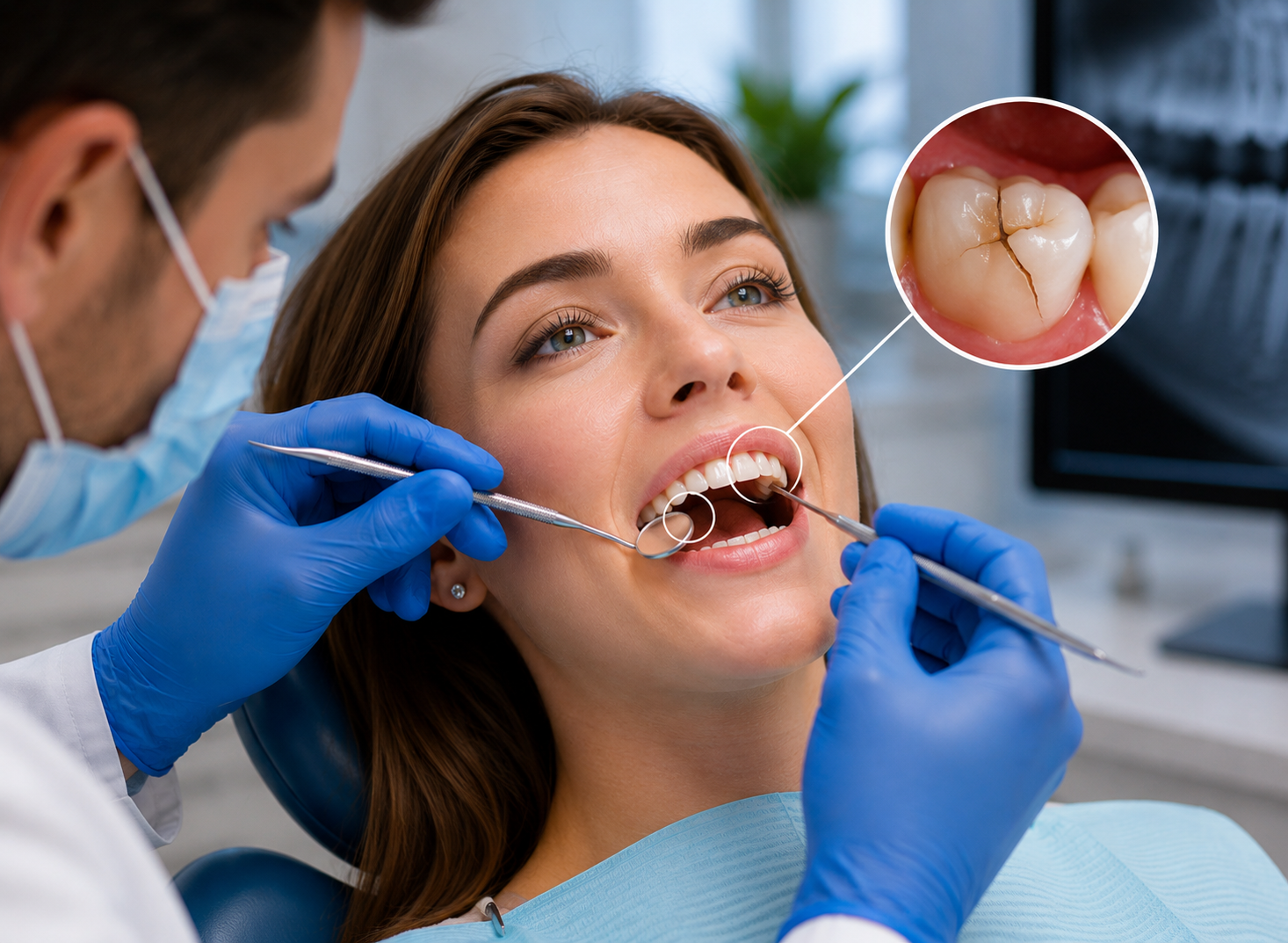
- Visible cracks, chips, or discoloration on a tooth
- Bleeding or receding gums accompanied by sensitivity
These signs may point to problems such as cavities, cracked teeth, gum disease, worn enamel, or an old filling that needs repair or replacement. Early diagnosis can help prevent more complex dental treatments later.
How a Dental Team Can Help
A professional dental evaluation goes beyond treating symptoms. A dental team looks for the root cause of tooth sensitivity and develops a personalized care plan based on your needs. This may include:
- Recommending desensitizing products for daily use
- Treating cavities or repairing damaged restorations
- Addressing gum recession with targeted care
- Identifying habits such as teeth grinding that may require a custom night guard
Navigating seasonal tooth sensitivity is easier when you have a local dental team familiar with your oral health history. As a dentist in Sugar Land, we understand how regional climate changes and seasonal habits can affect oral health.
Tips to Reduce Winter Tooth Sensitivity
In addition to professional care, small changes at home can make a big difference:
- Use a soft-bristled toothbrush and a gentle brushing technique.
- Avoid brushing immediately after acidic foods or drinks.
- Drink plenty of water to combat dry mouth.
- Limit sugary and acidic snacks during the winter months.
- Cover your mouth with a scarf when outdoors to reduce exposure to cold air.
Why Addressing Tooth Sensitivity Matters
Tooth sensitivity can make everyday routines less enjoyable, from sipping your morning coffee to sharing meals with family. Many people wonder whether their discomfort is worth addressing, especially when it comes and goes. Sensitivity is common, manageable, and often preventable with the right care. Addressing sensitivity early can restore comfort and protect your smile before more serious problems develop.
When to Schedule a Dental Visit
Tooth sensitivity should not interfere with everyday life. If you notice discomfort when eating, drinking, or breathing in cold air, it may be time to see a dentist. While some sensitivity can be seasonal, ongoing or worsening pain often signals an issue that should be evaluated.
For those living in Sugar Land and nearby areas, Avalon Dental Group offers personalized care focused on comfort and prevention. Contact us today to learn more about what may be causing your tooth sensitivity and how we can help you find lasting relief.
Final Thoughts
Winter tooth sensitivity can be frustrating, but it does not have to be ignored or endured. While some sensitivity is normal, persistent or localized pain may signal a problem that deserves professional attention. Understanding the difference empowers you to take the right steps at the right time.