Do Root Canals Prevent Cavities in the Same Tooth?


Many people assume that once a tooth receives a root canal, it becomes immune to cavities. It is an understandable belief. After all, the infected nerve has been removed, the tooth has been treated, and the pain is gone.
However, this common belief is not entirely true.
A root canal can eliminate infection inside a tooth and help save it from extraction, but it does not make the tooth cavity-proof. In fact, a treated tooth can still develop decay if proper oral hygiene and preventive care are not maintained.
Can the Same Tooth Get a Cavity After Endodontic Treatment?
Yes, a tooth can still develop a cavity after root canal treatment.
A root canal removes infected or damaged pulp tissue from inside the tooth, but it does not make the tooth immune to decay. The outer tooth structure, including the enamel and dentin, remains exposed to the same cavity-causing bacteria, plaque, and acids that affect other teeth in the mouth.
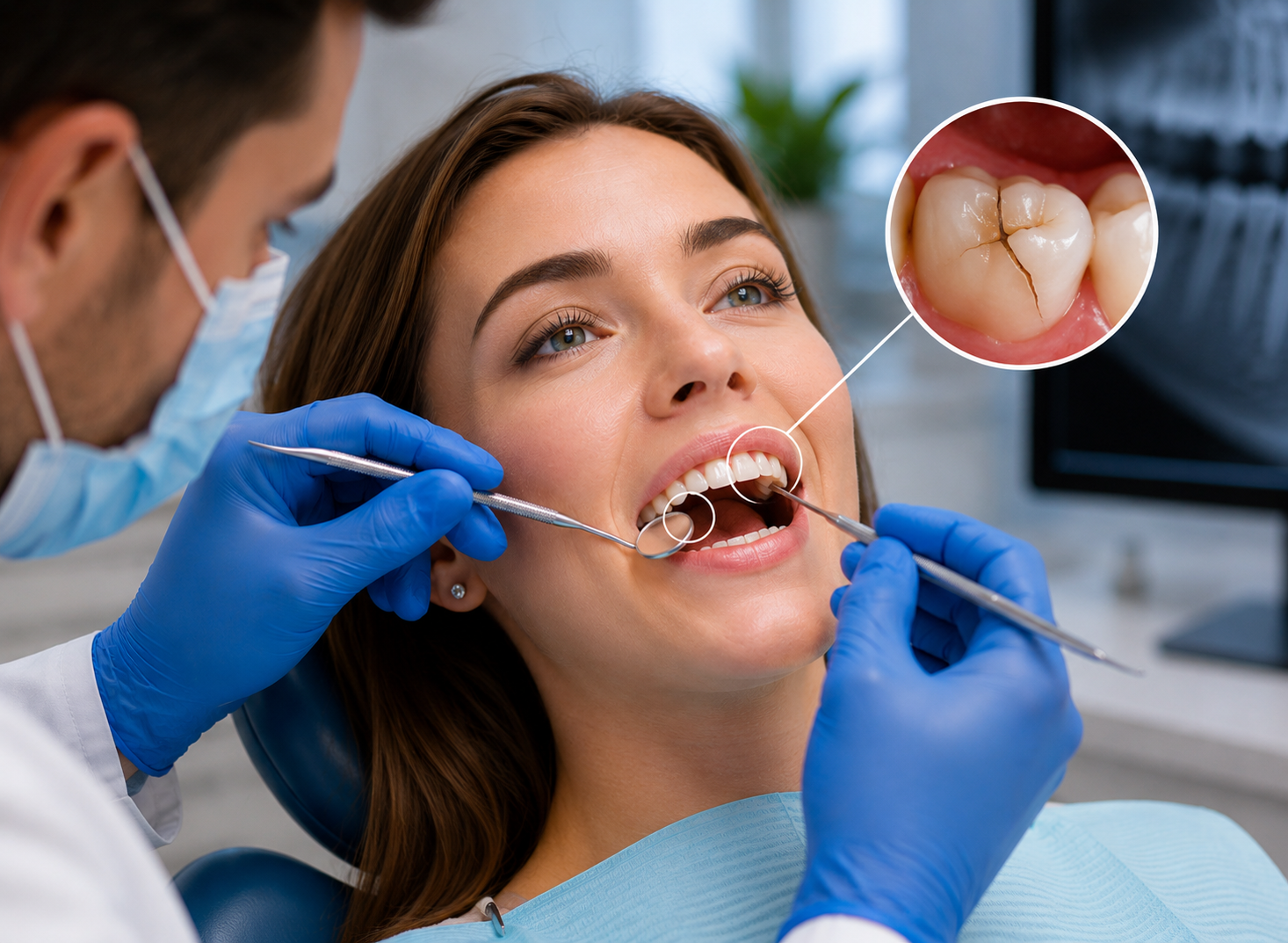
In many cases, treated teeth are restored with a dental crown to provide strength and protection. While crowns help protect the tooth, decay can still develop around the edges of the restoration or in areas where natural tooth structure remains exposed.
Another important consideration is that treated teeth may not always show the typical warning signs of a cavity. Since the nerve tissue inside the tooth has been removed, decay can sometimes progress without causing noticeable pain or sensitivity. This is why regular dental examinations remain essential, even after successful treatment.
At Avalon Dental Group, we help patients in Sugar Land protect their teeth through ongoing preventive care, restorative dentistry, and comprehensive endodontic treatment under the guidance of Dr. Paul. Routine monitoring can help identify concerns early and improve the long-term success of your treatment.
The Common Myth: A Root Canal Means No More Dental Problems
One of the most common misconceptions about endodontic treatment is that the treated tooth can no longer experience decay.
Many patients assume:
- The tooth is completely protected from cavities
- Decay can no longer develop because the nerve is gone
- Future dental treatment will never be necessary
- The tooth no longer requires special attention
The truth is that root canal therapy addresses infection inside the tooth, not the risk factors that cause cavities in the first place.
What a Root Canal Actually Does
To understand why cavities can still occur, it helps to understand the purpose of endodontic treatment.
A root canal procedure:
- Removes infected or damaged pulp tissue
- Eliminates bacteria from the canal system
- Cleans and disinfects the interior of the tooth
- Seals the canals
- Preserves the natural tooth structure whenever possible
Endodontic therapy treats infection within the tooth’s pulp chamber and root canals. It does not change the outer enamel and dentin surfaces that remain exposed to the oral environment.
As a result, the tooth can still be affected by the same cavity-causing bacteria found elsewhere in the mouth.
How a Treated Tooth Gets a Cavity
Even after successful treatment, several factors can allow decay to develop.
Decay Around the Crown Margin
Many treated teeth receive a dental crown for protection.
Over time, bacteria can accumulate around the edge where the crown meets the natural tooth structure. If plaque remains in these areas, decay can develop beneath or around the restoration.
Exposed Natural Tooth Structure
Not every root canal-treated tooth receives full crown coverage immediately. Any exposed tooth structure remains vulnerable to cavity formation.
Existing Oral Hygiene Habits
Endodontic therapy does not eliminate the factors that cause cavities, including:
- Poor brushing habits
- Inadequate flossing
- Frequent sugar consumption
- Dry mouth
- High cavity risk
Without proper oral care, decay can affect both treated and untreated teeth.
Aging Dental Restorations
Dental crowns and fillings do not last forever. As restorations age, gaps or wear may allow bacteria to enter and attack the underlying tooth structure.
The Danger of the “Silent Cavity”
One reason cavities in treated teeth can become serious is that they often develop without obvious symptoms.
A healthy tooth contains nerve tissue that helps detect pain and sensitivity. After therapy, that internal nerve tissue is no longer present.
As a result:
- Decay may progress without discomfort
- Patients may not notice a problem immediately
- Significant damage can occur before symptoms appear
- The tooth may become difficult to save if treatment is delayed
This is why routine dental examinations remain essential even when a root canal-treated tooth feels completely normal.
Warning Signs of Decay in a Treated Tooth
Although pain may not always occur, certain symptoms can indicate a developing problem.
Watch for:
- A loose or damaged crown
- Darkening around the restoration
- Gum swelling near the tooth
- Bad taste or persistent bad breath
- Pressure when chewing
- Visible holes or damaged areas
- Food becoming trapped around the tooth
Any of these signs should be evaluated by a dental professional promptly.
Can a Treated Tooth Need Treatment Again?
Yes.
If decay reaches the area around the root canal filling or compromises the restoration, additional treatment may become necessary.
Depending on the condition of the tooth, treatment options may include:
- Replacement of a filling or crown
- Root canal retreatment
- Endodontic evaluation
- Crown lengthening procedures
- Tooth extraction in severe cases
- Tooth replacement with a dental implant or bridge when preservation is no longer possible
Early detection often provides more options for saving the tooth.
How to Protect a Treated Tooth
The good news is that many cavities affecting root canal-treated teeth can be prevented.
Maintain Excellent Oral Hygiene
Brush twice daily with fluoride toothpaste and floss carefully around the treated tooth.
Protect the Final Restoration
If your dentist recommends a dental crown, timely placement is important for protecting the remaining tooth structure.
Attend Routine Dental Visits
Regular examinations allow your dentist to detect small areas of decay before they become larger problems.
Limit Frequent Sugar Exposure
Reducing sugary snacks and beverages helps lower cavity risk throughout the mouth.
Address Dental Problems Promptly
Loose crowns, damaged fillings, and cracked restorations should be repaired as soon as possible to prevent bacterial infiltration.
Protect Your Investment in Your Oral Health
A root canal can save a damaged or infected tooth, but protecting that tooth requires ongoing care. If you have a treated tooth, regular monitoring can help identify decay, restoration issues, or other concerns before they threaten the long-term success of your treatment.
At Avalon Dental Group, our team provides comprehensive evaluations, endodontic care, restorative dentistry, and preventive services to help patients maintain healthy, functional smiles. If you have concerns about a previously treated tooth or suspect a cavity may be developing, call our office at (281) 240-5559 to schedule an evaluation and learn about the treatment options available to protect your oral health.
Conveniently located on Williams Trace Blvd near the intersection with Edgewater Dr, our practice is easily accessible to patients across Sugar Land and neighboring areas. We are always happy to welcome new patients and families seeking high-quality, personalized dental care.
Key Takeaway: Root Canal-Treated Teeth Still Need Protection
Root canal therapy removes infection from inside a tooth and helps preserve its function, but it does not prevent future cavities. The natural tooth structure remains vulnerable to plaque, bacteria, and decay, particularly around restorations and crown margins. Understanding this distinction can help you take the right steps to protect your investment and maintain the health of your treated tooth.
With proper oral hygiene, routine dental visits, and timely restorative care, many treated teeth can remain healthy and functional for many years.
Frequently Asked Questions
Can a cavity form under a crown after a root canal?
Yes. Bacteria can sometimes enter around the margin of a crown and cause decay in the remaining natural tooth structure.
Why doesn’t my root canal-treated tooth hurt if it has a cavity?
Because the nerve tissue inside the tooth has been removed, cavities may progress without the same level of pain or sensitivity experienced in a vital tooth.
Can a root canal-treated tooth be saved if decay develops?
In many cases, yes. Early treatment may allow the tooth to be restored with a new filling, crown, or other treatment.
Does a crown prevent cavities completely?
No. Crowns protect teeth but do not eliminate the possibility of decay developing around exposed tooth structure.
How often should a root canal-treated tooth be checked?
Routine dental examinations and professional cleanings remain important for monitoring the health of all teeth, including those that have received root canal treatment.