Why Does My Tooth Hurt? Common Causes & Fixes


Tooth pain can catch anyone off guard. That sharp jolt when enjoying a hot coffee or the sudden sting from a cold treat is more than just uncomfortable—it’s your body’s way of telling you something is going on inside your mouth. Understanding what causes tooth pain and how to respond can make all the difference in keeping your smile healthy and comfortable.
Pain in your teeth can come from many different sources, ranging from temporary sensitivity to more serious issues that need dental care. Knowing what to look for helps you take the right steps toward relief.
Common Reasons for Tooth Pain
Tooth pain can vary in intensity and type. Some causes are temporary and manageable, while others may need timely dental care to prevent complications.
Sensitivity to Hot or Cold
Sudden pain when eating or drinking something hot or cold often points to tooth sensitivity. This usually happens when enamel wears down, exposing the sensitive dentin or nerve endings underneath. Even healthy teeth can become sensitive if the enamel is weakened over time.
Enamel or Dentin Erosion
Acidic foods, hard brushing, or grinding habits can gradually erode the outer layers of the teeth. As the dentin becomes exposed, pain can occur more frequently, especially while chewing or during temperature changes. Tooth erosion also increases the risk of cavities and other dental issues if not managed early.
Cracked Tooth or Damaged Crown
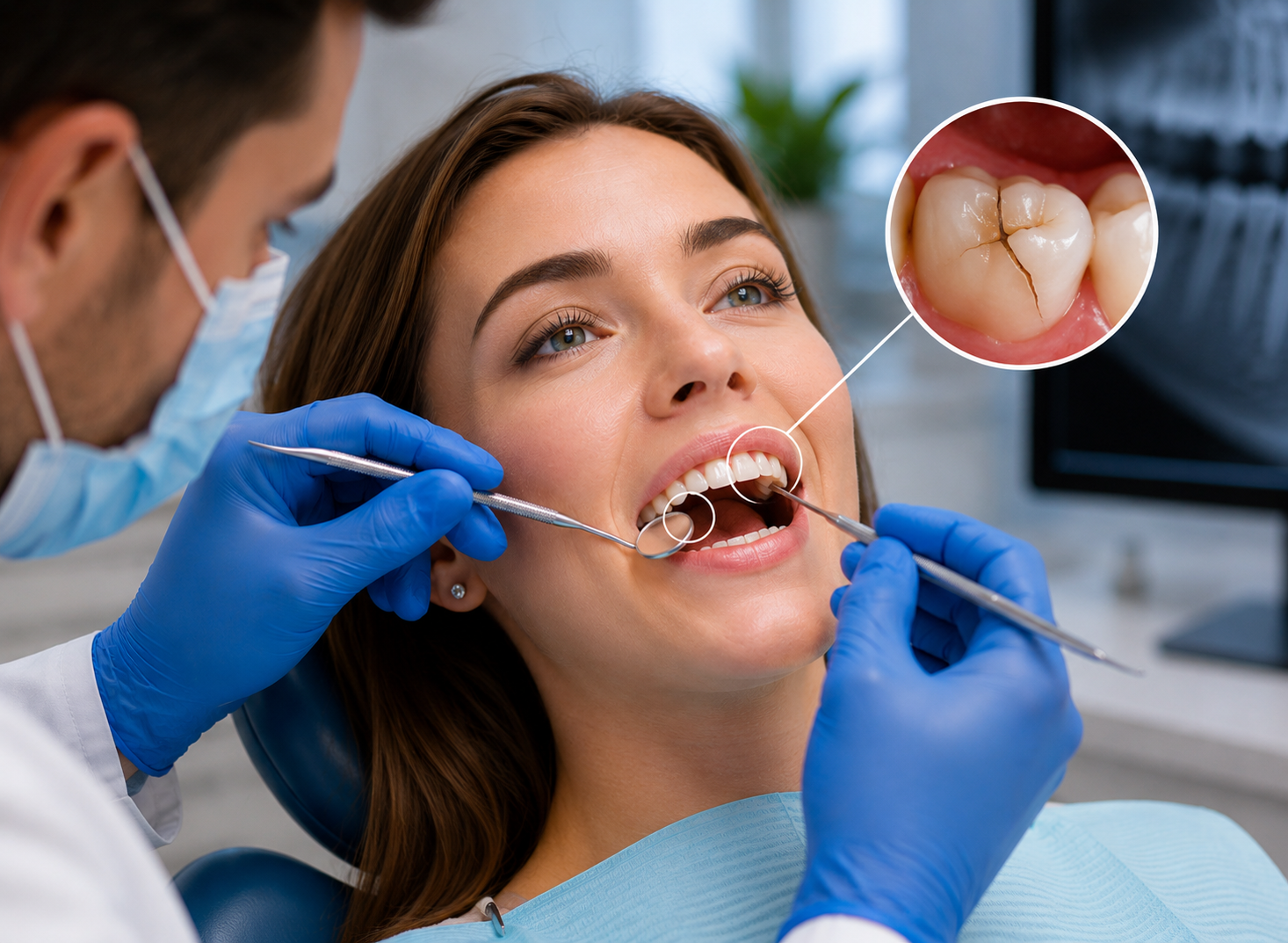
Sometimes a crack in a tooth or crown isn’t easy to spot. Pain may come and go, often triggered by pressure, chewing, or temperature changes. Even small cracks can allow bacteria to reach the inner layers of the tooth, so it’s important not to ignore the discomfort.
Teeth Grinding or Jaw Clenching
Grinding and clenching can wear down enamel and strain the muscles around your teeth and jaw. Many people do this during sleep or while under stress without realizing it. Over time, this can lead to sensitivity, chipped teeth, or even jaw pain.
Tooth Decay
Toothaches that are persistent or worsening may be linked to decay. As cavities grow and reach deeper into the tooth, they can irritate the nerve tissue inside. What starts as mild discomfort can turn into sharp or throbbing pain if not treated.
Sensitivity After Whitening
If you’ve recently used whitening products like bleaching gels or strips, you might notice temporary sensitivity. This usually resolves after a short time, but if the pain continues, it may be worth pausing treatment and having your teeth evaluated.
When It’s Time to See a Dentist
Not every toothache means something serious, but there are clear signs that shouldn’t be ignored:
- Pain that lasts longer than 48 hours
- Sharp, throbbing, or persistent aching
- Discomfort spreading to the jaw, ear, or head
- A fever that comes along with the tooth pain
- Pain that worsens while chewing or biting
When symptoms like these appear, it’s a good idea to schedule a dental visit. In some cases, the solution might be as simple as using a special toothpaste or making a small adjustment. In others, more involved care may be needed to address the underlying issue.
Understanding the difference between minor sensitivity and a developing dental concern is part of how our dentists help patients make informed decisions. That attention to long-term care is woven throughout everything we do.
At-Home Relief While You Wait
While waiting for your appointment, there are a few safe ways to manage tooth pain at home:
- Rinse with warm salt water
- Use over-the-counter pain relievers as directed
- Apply a cold compress to reduce swelling
- Try natural options like clove oil or peppermint tea
- Avoid chewing on the side of your mouth that’s hurting
These remedies can temporarily ease discomfort, but they aren’t a replacement for professional care. If the pain returns or worsens, it’s important to get a clear diagnosis.
Your Next Step Toward a Pain-Free Smile
If your teeth have been bothering you recently or you’ve noticed new sensitivity, don’t wait too long to get it checked out. Keeping an eye on discomfort and responding early can prevent minor issues from becoming bigger concerns. For neighbors in Sugar Land and the surrounding areas, finding care nearby makes it easier to stay on top of your dental health with less hassle and more peace of mind.
Whenever you’re ready, our dentists are here to help you find lasting comfort and keep your smile feeling its best.
If you want to see exactly where we’re located or plan your visit, you can easily check our office location on the map.