Can a Dead Tooth Still Cause Pain?


Many people assume that once a tooth dies, it can no longer cause discomfort. After all, if the nerve inside the tooth is no longer alive, why would it hurt?
The reality is more complex. A dead tooth can still cause pain, and in some cases, the discomfort may become more severe than it was before the tooth lost its vitality. Understanding why this happens can help you recognize the signs early and seek treatment before the problem spreads.
Quick Answer: Can a Dead Tooth Still Hurt?
Yes, a dead tooth can still cause pain.
Although the nerve tissue inside the tooth may no longer function, the surrounding tissues remain alive and sensitive. Infection, inflammation, pressure buildup, or an abscess around the tooth root can cause pain even after the tooth has lost its blood supply and nerve function.
If you notice persistent discomfort, swelling, or changes in the color of a tooth, it is important to schedule a dental evaluation as soon as possible.
At Avalon Dental Group, we regularly help patients in Sugar Land identify and treat damaged or infected teeth before they develop into more serious oral health concerns. Dr. Yu, Dr. Seo, and Dr. Kang provide comprehensive dental care that addresses both the immediate symptoms and the underlying cause of dental pain. To schedule a consultation with our team, call us at (281) 240-5559.
What Is a Dead Tooth?
A dead tooth, also called a non-vital tooth, occurs when the pulp inside the tooth no longer receives adequate blood flow. The pulp contains nerves, blood vessels, and connective tissues that keep the tooth alive.
Several factors can damage the pulp, including:
- Deep tooth decay
- Dental trauma or injury
- Cracked teeth
- Repeated dental procedures on the same tooth
- Severe infection
When the pulp dies, the tooth loses its ability to heal itself and becomes more vulnerable to bacterial infection.
Why Does a Dead Tooth Cause Pain?
Many patients feel confused when they experience pain from a tooth that is technically “dead.” The explanation lies in the tissues surrounding the tooth.
Infection Around the Root
Once the pulp dies, bacteria can invade the root canal system and spread beyond the tooth. This infection can irritate the bone and gum tissues around the root tip, leading to pain and tenderness.
Dental Abscess Formation
An untreated dead tooth may develop an abscess, which is a pocket of infection. Abscesses create pressure and inflammation that can cause significant discomfort.
Inflammation in Nearby Tissues
The tooth itself may no longer sense pain, but the periodontal ligament and surrounding tissues remain sensitive. When these tissues become inflamed, they can produce aching, throbbing, or sharp pain.
Pressure While Chewing
Patients often notice pain when biting down because the infected tissues around the root become compressed during chewing.
Common Signs of a Dead Tooth
Pain is not always the first symptom of a dead tooth. Some patients experience other warning signs before discomfort begins.
Watch for symptoms such as:
- Tooth discoloration, often appearing gray, brown, or yellow
- Persistent toothache
- Sensitivity to pressure when chewing
- Swelling around the affected tooth
- Gum tenderness
- Bad taste in the mouth
- Persistent bad breath
- A small bump on the gums near the tooth
These symptoms can indicate an active infection that requires professional attention.
Can a Dead Tooth Stop Hurting on Its Own?
Sometimes a severely damaged tooth stops hurting temporarily. This often happens when the nerve tissue dies completely.
However, the absence of pain does not mean the problem has resolved.
In many cases, the infection continues to spread silently beneath the surface. Eventually, patients may develop swelling, severe pain, an abscess, or even bone loss around the tooth.
A dead tooth should always be evaluated by a dentist, even if the discomfort seems to disappear.
How Dentists Diagnose a Dead Tooth
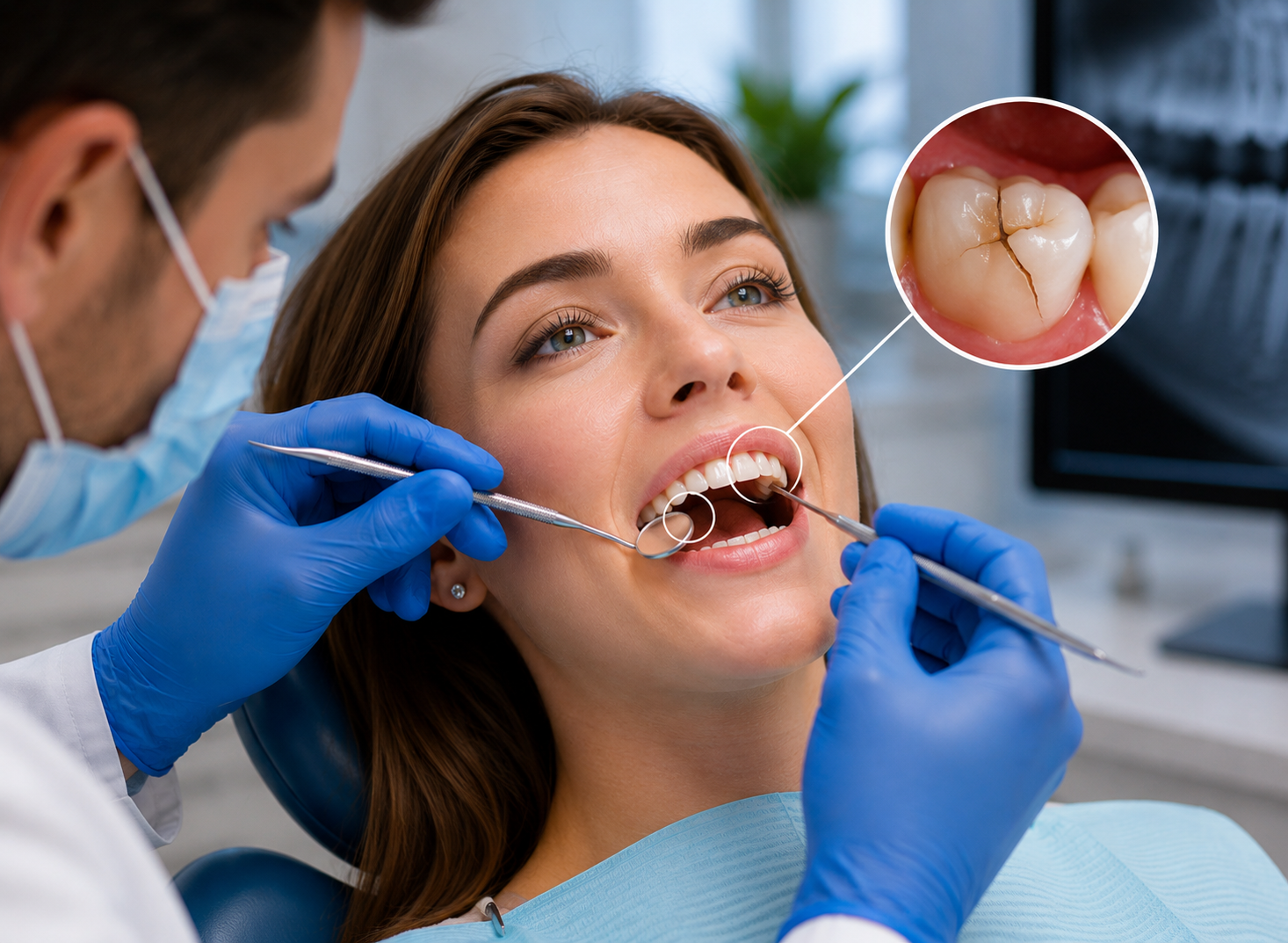
A dental examination helps determine whether a tooth has lost vitality and whether infection is present.
Your dentist may use:
- Clinical examination
- Dental X-rays
- Percussion testing
- Temperature sensitivity tests
- Pulp vitality testing
These diagnostic tools help identify the extent of damage and determine the most appropriate treatment plan.
Treatment Options for a Dead Tooth
The best treatment depends on the condition of the tooth and the extent of infection.
Root Canal Therapy
Root canal treatment is often the preferred option when the tooth structure remains strong enough to save.
During treatment, the dentist:
- Removes infected or dead pulp tissue.
- Cleans and disinfects the root canals.
- Seals the canals to prevent future infection.
- Restores the tooth, often with a dental crown.
This approach allows patients to preserve their natural tooth whenever possible.
Our Sugar Land office provides comprehensive endodontic care under the guidance of Dr. Paul. Our services include root canal treatment, root canal retreatment, and the diagnosis and management of complex endodontic concerns. If a dead or infected tooth is causing pain or putting your oral health at risk, our team can evaluate the condition and recommend the most appropriate treatment to help relieve discomfort and preserve your natural tooth whenever possible.
Tooth Extraction
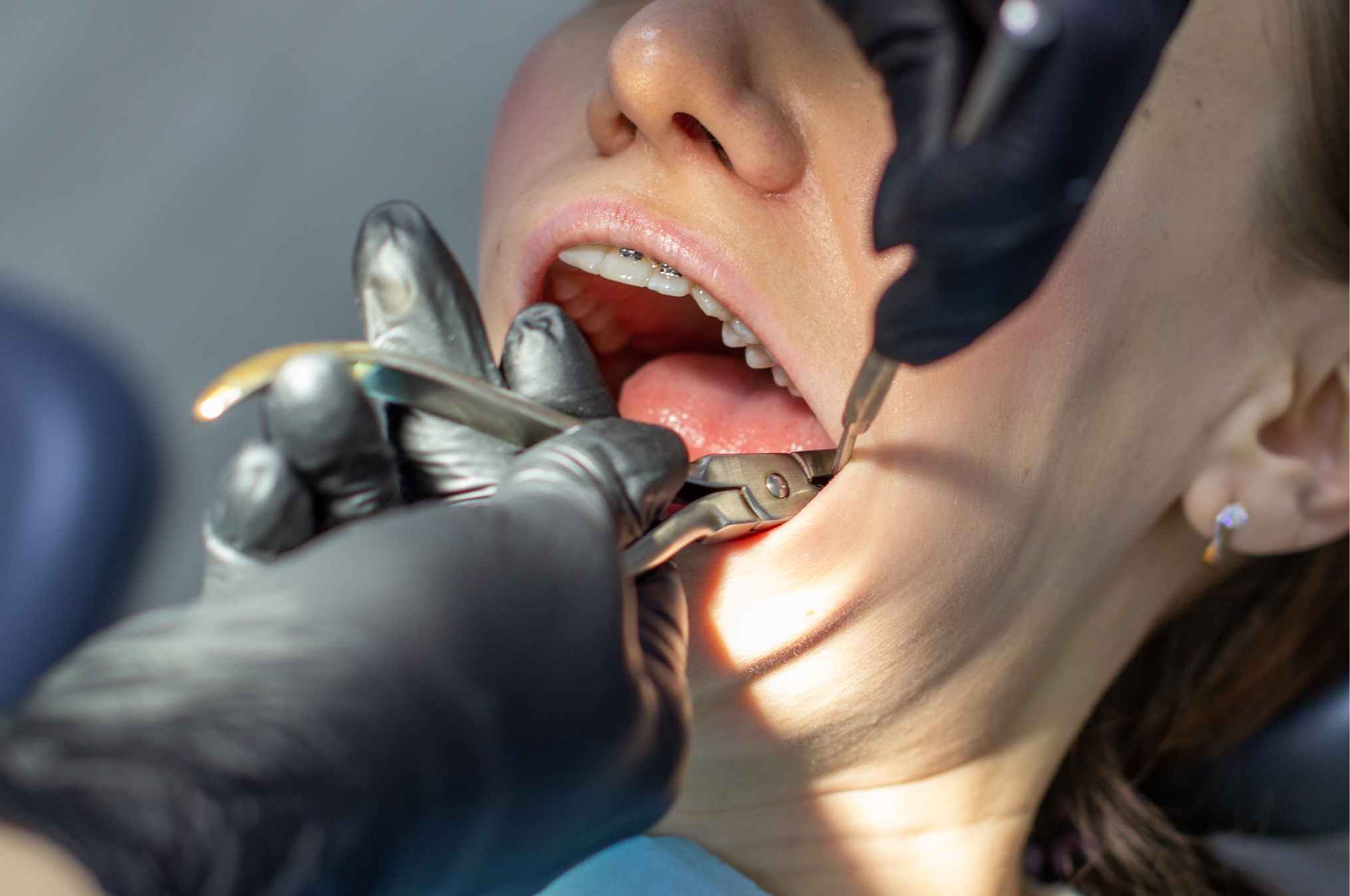
If the tooth has extensive damage, severe fracture, or advanced infection, extraction may be necessary.
After removal, your dentist can discuss replacement options such as dental implants, bridges, or other restorative solutions.
At Avalon Dental Group, we provide comprehensive care under one roof, from tooth extractions to restorative treatments. Our personalized approach allows patients in the Sugar Land community to receive coordinated care at one convenient location, helping them avoid visiting multiple dental offices throughout the treatment process.
What Happens If a Dead Tooth Is Left Untreated?
Ignoring a dead tooth can lead to serious oral health problems.
Potential complications include:
- Dental abscesses
- Infection spread into surrounding tissues
- Bone loss around the affected tooth
- Gum disease complications
- Increased risk of neighboring tooth damage
- More complex and costly treatment later
Early intervention often results in simpler treatment and better long-term outcomes.
When Should You See a Dentist?
You should schedule a dental appointment if you experience:
- Persistent tooth pain
- Swelling in the gums or face
- A darkened tooth
- Pain while chewing
- A recurring pimple-like bump on the gums
- Signs of infection, such as drainage or foul taste
Prompt treatment can help protect your oral health and reduce the risk of complications.
If you have tooth pain, swelling, discoloration, or other symptoms that may indicate a dead tooth, do not wait for the problem to worsen. The team at Avalon Dental Group can evaluate your condition, identify the source of discomfort, and recommend the most effective treatment option for your needs.
Contact our Sugar Land office today to schedule a dental examination and take the next step toward protecting your oral health.
Need Dental Care in Katy?
In addition to serving patients in Sugar Land, we also welcome families at our Katy location, Avalon Dental & Orthodontics. If you live in Katy or the surrounding communities and would like to discuss tooth pain or other dental concerns, our team is here to help. Call our Katy office at (832) 789-1997 to schedule a consultation and receive personalized dental care close to home.
Do Not Ignore the Signs of a Dead Tooth
A dead tooth can still cause pain, even after the nerve inside the tooth has lost its vitality. Infection, inflammation, and abscess formation often create discomfort that requires professional treatment. Recognizing the warning signs early and seeking prompt dental care can help preserve your oral health and prevent more serious complications.
If you suspect you have a dead tooth, a professional dental evaluation can provide answers and help you move forward with confidence.
Frequently Asked Questions
Is a dead tooth always painful?
No. Some dead teeth cause no symptoms initially. Others become painful when infection or inflammation develops around the root.
Can a dead tooth heal naturally?
No. Once the pulp inside a tooth dies, it cannot regenerate. Professional dental treatment is necessary.
What color does a dead tooth become?
A dead tooth may appear gray, yellow, brown, or darker than neighboring teeth.
Can a dead tooth lead to an abscess?
Yes. Bacteria can enter the tooth and create an infection that develops into an abscess if left untreated.
Is root canal treatment painful?
Modern root canal therapy is generally comfortable and is designed to relieve pain caused by infection.