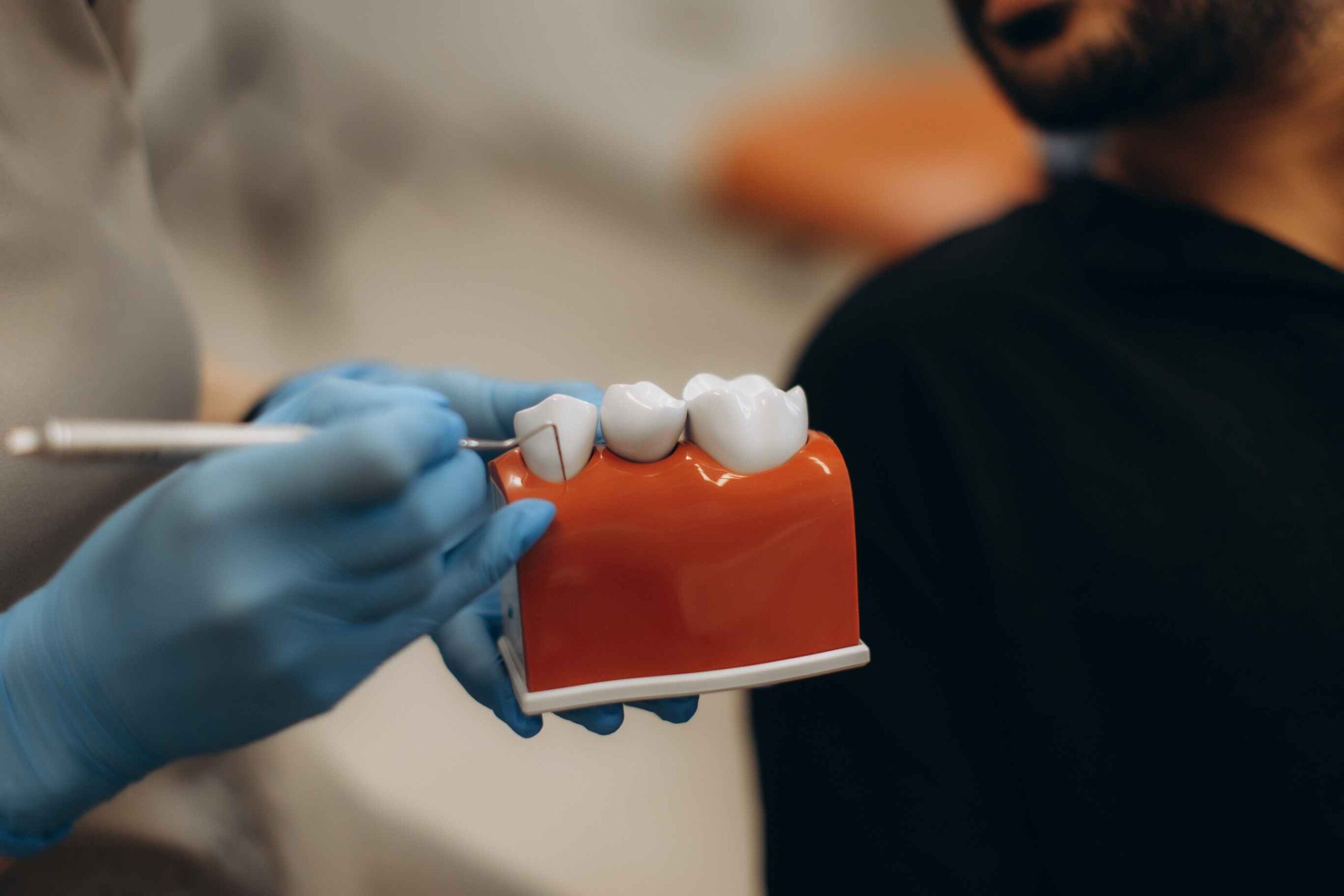
Why Do You Need a Crown After a Root Canal?

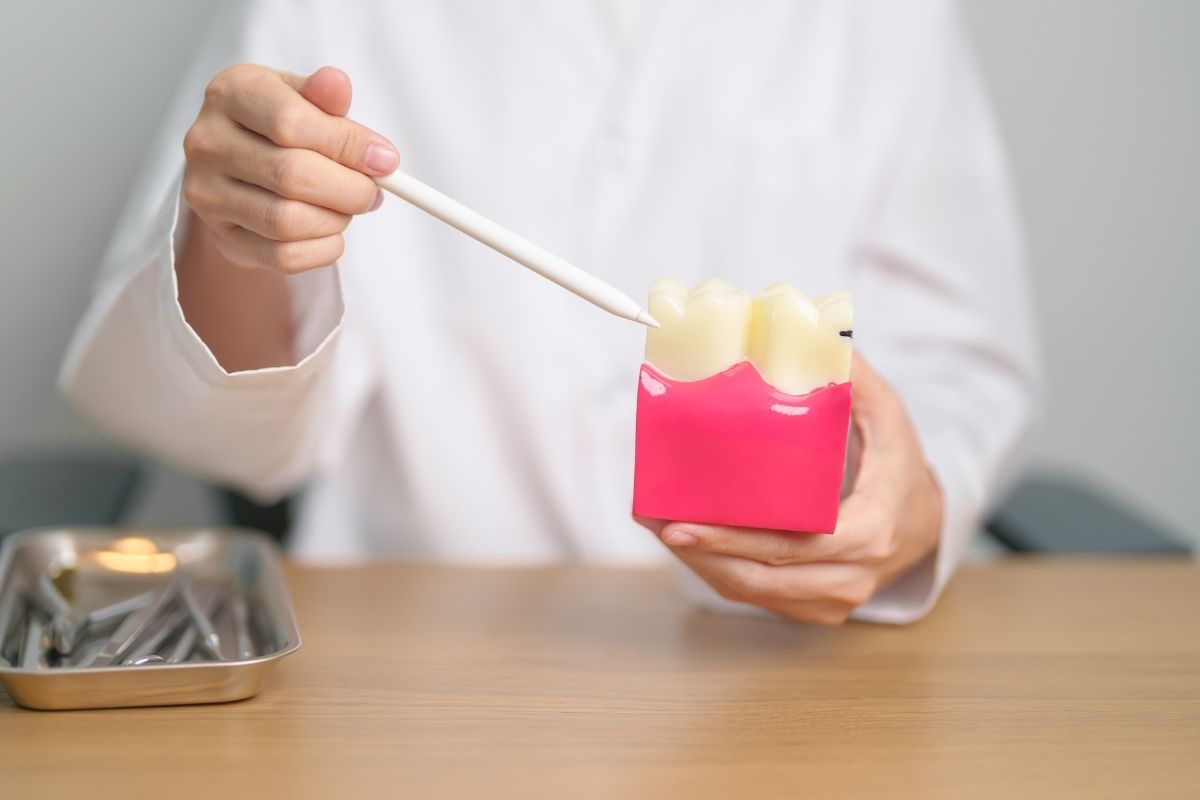
Being told that a crown is needed after a root canal often leads to questions. Once the pain is gone, it can feel as though the problem has already been solved. For many, it is not immediately clear why another step is recommended.
A root canal is an important part of saving a tooth, but it is not the final step in restoring strength. Understanding why a crown is commonly advised afterward can help explain how the tooth is protected and why this step is needed to support oral health.
How Care Is Approached in Our Dental Office
At Avalon Dental Group, our dentist and endodontist work together to provide comprehensive care, keeping your teeth’s health and longevity in mind. We offer endodontic treatment, including root canals, along with restorative care such as crowns, all in our Sugar Land office. This approach allows treatment to be completed without multiple appointments at different offices.
By managing both the endodontic procedure and the restoration, our team ensures continuity of care from start to finish. Our endodontist carefully evaluates each tooth and explains why specific steps are recommended, helping patients understand how every part of treatment works together for optimal results rather than feeling fragmented.
What a Root Canal Treats
A root canal is performed to remove infected or inflamed tissue from inside a tooth. The pulp, which contains nerves and blood vessels, is cleaned, shaped, and sealed to prevent bacteria from reentering the space.
While this procedure addresses infection and discomfort, it also alters the structure of the tooth. Once the inner tissue is removed, the tooth no longer receives internal nourishment. Over time, this can make the tooth more brittle.
Why the Tooth Is More Vulnerable After Treatment
After a root canal, the remaining tooth structure is often weaker than before. In many cases, the tooth has already lost strength due to decay, fracture, or previous restorations.
Every day, biting and chewing forces can place stress on the tooth. Without reinforcement, the risk of cracking or breaking increases. Some fractures can occur below the gumline, limiting treatment options.
The Role of a Crown After a Root Canal
A crown is designed to protect the treated tooth by covering it completely. It restores strength, shape, and function, allowing the tooth to handle normal chewing forces.
By distributing pressure evenly, a crown reduces the likelihood of fractures. In many cases, placing a crown significantly improves the success rate of root canal treatment and helps preserve the natural tooth.
Is a Crown Always Necessary?
Crowns are most commonly recommended for molars and premolars. These teeth absorb the majority of chewing pressure and are more likely to fracture after a root canal.
Front teeth may sometimes be restored without a crown if enough healthy structure remains and bite forces are lower. The decision is based on factors such as tooth location, amount of remaining structure, and how the tooth functions within the bite. An evaluation helps determine the most appropriate approach. If you have questions, you can contact our team by calling our Sugar Land office at (281) 240-5559.
Related Read: Learn 3 reasons why crowns may be recommended.
What Can Happen Without a Crown
A treated tooth may feel fine initially without a crown. However, the risk of fracture remains. Cracks can develop gradually and may not cause immediate symptoms.
If a fracture extends too far, saving the tooth may no longer be possible. In those situations, extraction may be required. A crown is often recommended as a preventive measure to reduce this risk.
Timing of Crown Placement
After endodontic treatment, the tooth is usually monitored before the final crown is placed. A temporary restoration may be used while healing is confirmed. Once ready, the crown is custom-fabricated to fit comfortably and blend naturally with surrounding teeth.
Providing both endodontic treatment and crowns in the same office allows this process to move forward efficiently, without unnecessary delays or referrals.
Conveniently located in Sugar Land, our office provides gentle, personalized care for patients of all ages from across the surrounding communities. If you are experiencing pain or have concerns about your teeth, contact us for an evaluation. Our team will assess your situation, provide guidance, and create a personalized treatment plan to restore your oral health.
Protect Your Tooth for Strength and Function
A crown after a root canal is not an added step without purpose. It is recommended to protect the tooth and preserve its function over time. Saving natural teeth whenever possible remains a primary goal of endodontic and restorative care.
If questions remain about whether a crown is appropriate, a discussion during an evaluation can provide clarity. Understanding the reason behind each step helps ensure treatment decisions feel informed and supportive rather than overwhelming.