What Are the First Signs of Tooth Decay?


Tooth decay rarely begins with intense pain. It usually starts quietly, showing up through subtle changes that are easy to overlook during busy routines. We meet many patients who arrive only after the discomfort becomes noticeable, and by that point, the decay has already progressed. Early awareness makes a meaningful difference, so understanding the first signs helps protect long-term oral health.
Tooth decay forms when harmful bacteria in plaque break down the minerals in the enamel. Sugary snacks, acidic drinks, and inconsistent brushing habits can speed up this process. The earliest signs often seem mild, yet they signal that the enamel is weakening. Paying attention to these signs gives you the chance to address decay before it advances.
Sensitivity to Hot, Cold, or Sweet Foods
A common early sign of tooth decay is sensitivity. This type of sensitivity often feels like a quick twinge that comes and goes. It can appear during a sip of iced tea or a bite of something sweet. Sensitivity begins when enamel loses minerals and becomes thinner, allowing temperature and sugar to reach the more delicate layers of the tooth. Even slight sensitivity deserves attention because it often shows up early in the decay process.
White Spots on the Surface of Teeth
White spots are another subtle sign. These chalky, pale patches typically appear near the gumline or on the tooth surface. At this stage, the enamel is losing minerals but has not yet formed a cavity. Although these spots may look harmless, they indicate active demineralization. With timely care, this stage can often be managed before it becomes a structural cavity.
Mild Tooth Discomfort That Comes and Goes
Occasional discomfort often accompanies early decay. It may appear during chewing or a few minutes later. This type of discomfort can seem minor and easy to overlook, yet it signals that the tooth has begun to respond to decay activity. Intermittent pain usually appears before deeper layers of the tooth become affected. Identifying this sensation early helps prevent further complications.
Visible Brown or Dark Spots
Small brown or dark areas sometimes appear on teeth in the early stages of decay. These spots may resemble staining from foods like coffee or tea, but they can also mark places where enamel has begun to break down. A dark spot that does not brush away often represents a developing cavity. Early attention can stop the decay from expanding deeper into the tooth.
Rough Edges or a Slightly Sticky Feeling
Teeth affected by early decay may feel rough or slightly sticky when flossing or running the tongue across them. These texture changes form when enamel begins to erode. A rough edge or tiny pit tends to grow over time. Noticing these small differences helps stop decay from progressing.
Persistent Bad Breath or an Unpleasant Taste
Bacteria involved in tooth decay can create lingering odors in the mouth. When these bacteria collect in areas of plaque or decay, they may produce chronic bad breath or a persistent unpleasant taste. While many causes exist for bad breath, early decay often contributes to changes in breath over time.
Tooth Decay Signs in Children
Children often show decay signs in ways that differ from adults. White spots, brown spots, and sensitivity are common early indicators in younger patients. Frequent snacking, sweet drinks, and developing brushing habits make children more prone to early decay. Observing these signs in children supports better long-term oral health.
How We Evaluate Early Tooth Decay at Our Dental Office in Katy
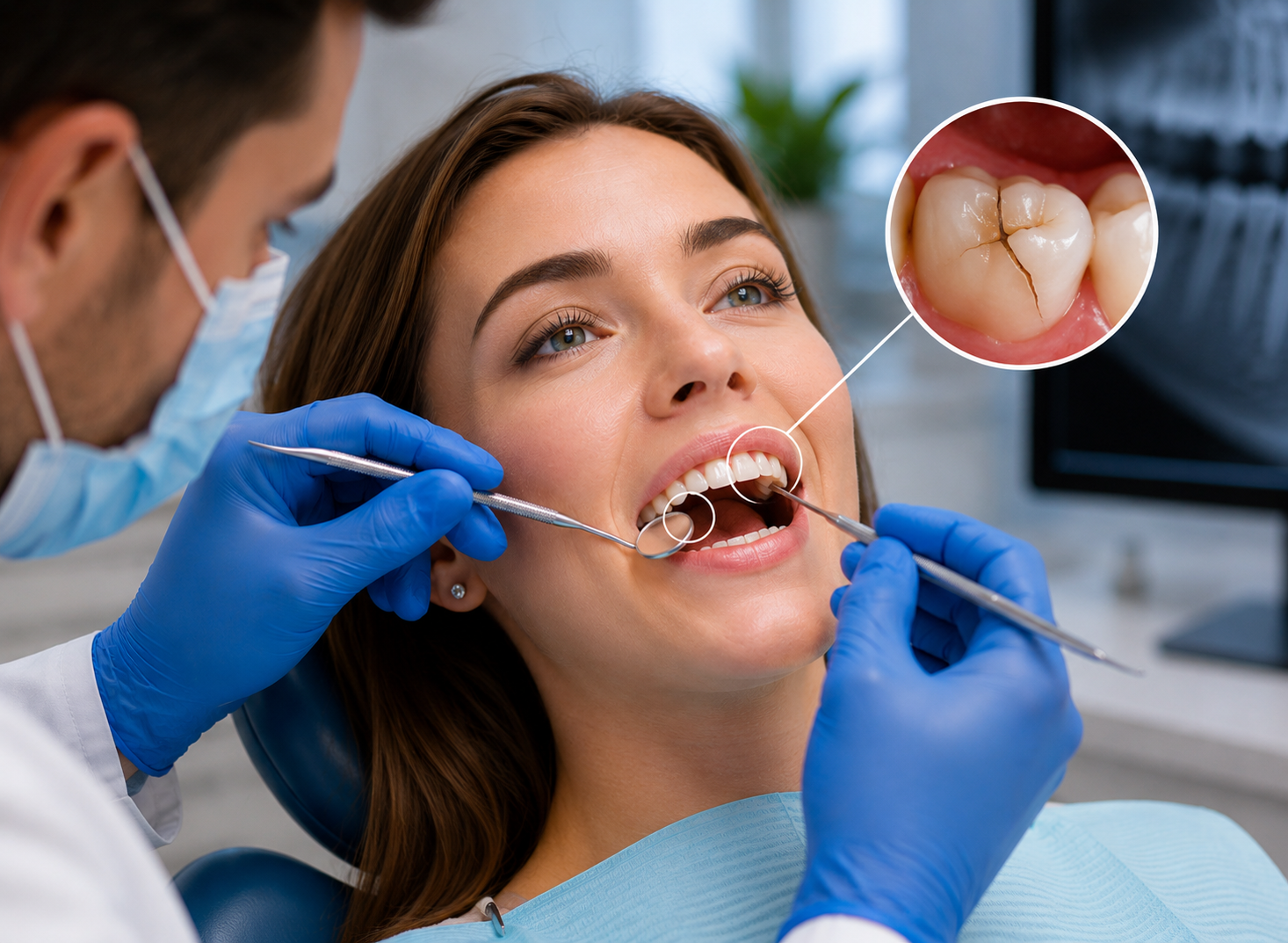
At Avalon Dental & Orthodontics, we place a strong focus on early diagnosis because it allows us to protect natural tooth structure and address concerns before they progress. During routine checkups, we examine subtle changes in enamel, observe patterns of plaque buildup, and consider lifestyle factors that may increase the risk of decay. Our evaluations also include digital X-rays and cavity detection tools that help us identify areas that are not always visible during a standard visual examination.
We are the dental team in Katy who provides care for the entire family, and this commitment guides the way we approach early detection. The goal is to understand each patient’s needs and support them with preventive steps and thoughtful care that strengthen long-term oral health.
Treatment Options for Early Tooth Decay
Early decay can often be treated conservatively. Fluoride therapy helps strengthen enamel by replacing lost minerals. Remineralization treatments support the natural rebuilding process in weakened areas. Sealants protect the grooves of teeth from collecting bacteria. When decay reaches deeper layers, a small filling may become necessary to stop progression. These treatments aim to preserve as much natural tooth structure as possible.
Daily Habits That Help Prevent Tooth Decay
Strong oral hygiene habits are the foundation of cavity prevention. Brushing twice a day with a fluoride toothpaste, flossing daily, and using mouth rinse when recommended helps reduce plaque buildup. Nutritious food choices, balanced meals, and limited sugar intake support enamel health. Regular dental visits allow early signs of decay to be monitored and treated promptly.
Schedule a Visit for an Evaluation
If you need a dentist for a checkup or feel concerned about early signs of tooth decay, our team is here to help. A routine exam allows us to notice subtle changes, address issues early, and support a healthier, stronger smile. We serve the Katy area and its surrounding communities. To schedule an appointment, please contact our dentist at (832) 789-1997. Taking this step supports long-term oral wellness and offers peace of mind.
Final Thoughts
Tooth decay begins quietly, often showing up as small changes in sensitivity, color, texture, or comfort. Recognizing these early signs creates an opportunity to protect enamel before the decay develops further. With consistent care, healthy habits, and routine dental visits, these early stages can be managed effectively. Caring for your teeth early helps maintain a strong foundation for lifelong oral health.
FAQs
1. How can I tell if a white spot on my tooth is a cavity or something else?
White spots on teeth can be an early sign of enamel demineralization, which may lead to cavities if not addressed. Not all white spots indicate decay; some may result from mild staining, fluoride exposure, or natural enamel variations. A dental evaluation is the best way to determine whether a white spot requires treatment and to prevent progression into a cavity.
2. Does tooth sensitivity always indicate decay?
Tooth sensitivity does not always mean there is decay. Sensitivity can result from worn enamel, gum recession, or temporary irritation from acidic foods. However, sensitivity that occurs frequently or when eating hot, cold, or sweet foods can signal early tooth decay. A professional dental exam can help identify the exact cause and guide appropriate care.
3. Can early tooth decay be treated without a filling?
In many cases, early tooth decay can be treated without a filling. Treatments like fluoride therapy, remineralization gels, and dental sealants can strengthen enamel and stop decay from progressing. Early detection during routine dental checkups is key to managing decay with minimally invasive methods and avoiding more extensive procedures later.
4. What lifestyle habits increase the risk of tooth decay?
Frequent consumption of sugary or acidic foods and drinks, irregular brushing and flossing, and dry mouth are common factors that increase the risk of tooth decay. Tobacco use and infrequent dental visits also contribute. Maintaining consistent oral hygiene habits and regular checkups can significantly reduce the likelihood of developing cavities.
5. How often should I visit the dentist to prevent cavities?
Visiting the dentist every six months for a checkup and professional cleaning is recommended for most patients. Regular dental visits allow early detection of tooth decay, plaque buildup, and other dental concerns before they become more serious. Your dentist may suggest a different schedule based on your individual oral health needs.