Plaque vs. Tartar: What You Need to Know to Keep Your Smile Bright

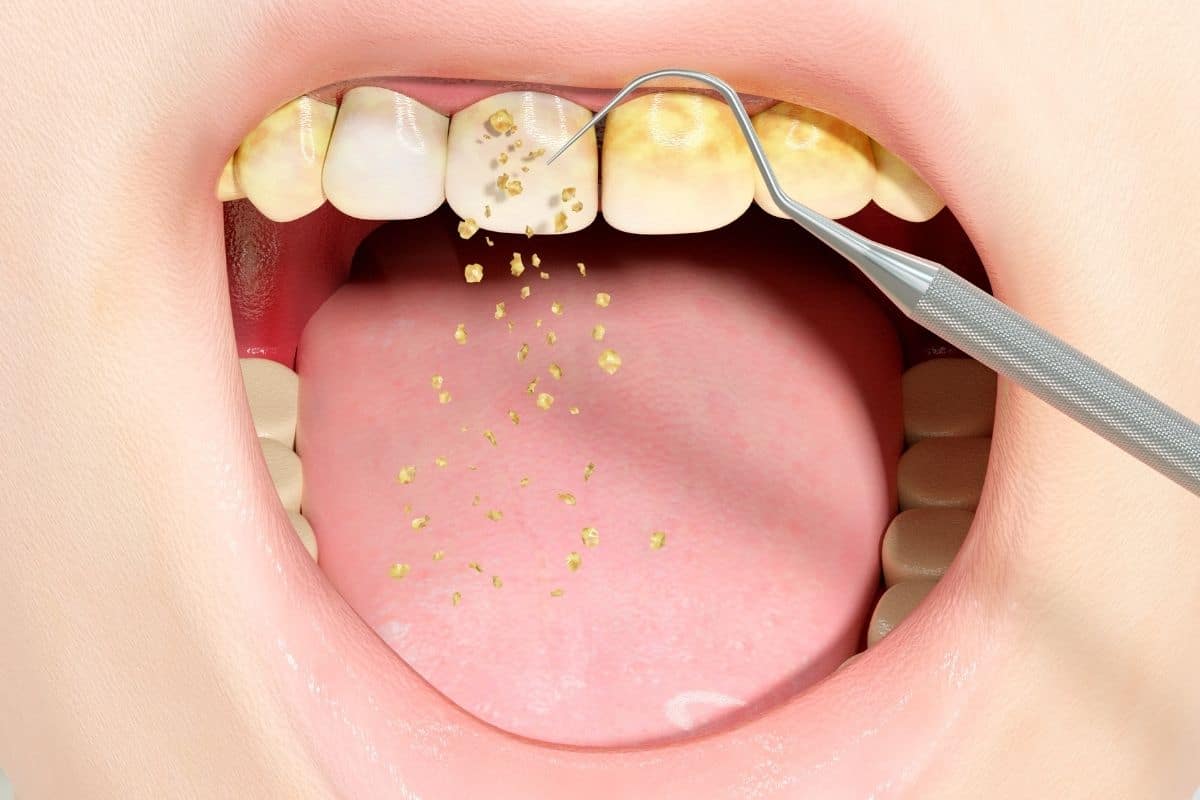
When it comes to maintaining a healthy smile, daily brushing and flossing are crucial. However, plaque and tartar can still build up, threatening your oral health if left unchecked. These sneaky culprits can lead to cavities, gum disease, and other dental problems. But what exactly are plaque and tartar, and how can you prevent them from affecting your teeth?
This blog will break down the differences between plaque and tartar, explain their impact on your dental health, and offer practical tips on how to prevent and remove them. By staying informed, you can take control of your oral hygiene and keep your smile shining bright.
What Is Plaque?
Plaque is a soft, sticky film that forms on your teeth throughout the day. It’s made up of bacteria, food particles, and saliva, and it starts to develop just hours after brushing. Plaque is the root cause of many dental issues, such as cavities, gum disease, and bad breath.
How Does Plaque Form?
Plaque develops when the bacteria in your mouth break down sugars and starches from the food you eat. As the bacteria feed on these sugars, they produce acids that wear down the enamel on your teeth. If not removed by proper brushing and flossing, plaque hardens into tartar, leading to more serious dental problems.
The Dangers of Plaque Buildup
Plaque is more than just a minor annoyance—it can have a significant impact on your dental health if left untreated. Here are some common issues that plaque can cause:
- Cavities: The acid produced by plaque bacteria erodes tooth enamel, leading to tooth decay and cavities.
- Gingivitis: The bacteria in plaque can irritate your gums, causing redness, swelling, and bleeding—a condition known as gingivitis.
- Periodontitis: Untreated gingivitis can progress to periodontitis, a more severe form of gum disease that can cause tooth loss.
What Is Tartar?
If plaque is left on your teeth for too long, it hardens into tartar (also known as calculus). Tartar is a yellow or brown deposit that forms above and below the gum line. Unlike plaque, which can be removed with proper brushing and flossing, tartar requires professional dental cleaning.
How Tartar Forms
Tartar develops when the minerals in your saliva bond with the plaque on your teeth, creating a solid, crusty surface. Once tartar forms, it provides a rough surface where more plaque can accumulate, accelerating the cycle of buildup and damage.
The Impact of Tartar on Your Oral Health
Tartar buildup can lead to serious dental issues if not addressed promptly:
- Increased Risk of Gum Disease: Tartar that forms below the gum line can cause your gums to pull away from your teeth, creating pockets where bacteria thrive. This can lead to periodontitis, a serious gum infection that can damage the soft tissue and bone supporting your teeth.
- Tooth Sensitivity and Decay: Tartar can create cavities and cause tooth sensitivity as it damages the protective enamel layer.
- Stained Teeth: Tartar is porous, making it easy for stains from coffee, tea, and tobacco to seep in, leading to yellow or brown discoloration of your teeth.
How to Prevent Plaque and Tartar Buildup
While it’s impossible to completely prevent plaque formation, there are several steps you can take to keep it under control and stop it from turning into tartar:
1. Brush Regularly and Effectively
Brushing your teeth twice a day for at least two minutes is crucial in removing plaque before it hardens into tartar. Make sure to use fluoride toothpaste and focus on cleaning all surfaces of your teeth, including the hard-to-reach areas at the back of your mouth.
2. Don’t Forget to Floss
Flossing once a day is just as important as brushing, as it helps remove plaque and food particles from between your teeth and below the gumline—areas your toothbrush can’t reach. Regular flossing can prevent plaque from building up in those tight spaces, reducing your risk of gum disease.
3. Use Mouthwash
A good antibacterial mouthwash can help reduce plaque by killing bacteria in your mouth and preventing it from sticking to your teeth and gums. Look for mouthwashes with fluoride, which strengthens enamel, or antibacterial agents like chlorhexidine.
4. Maintain a Healthy Diet
Sugary and starchy foods fuel plaque-causing bacteria, so limiting these foods in your diet can help reduce plaque formation. Try to incorporate more crunchy fruits and vegetables, such as apples and carrots, which stimulate saliva production and naturally clean your teeth.
5. Visit Your Dentist Regularly
Even with excellent at-home care, professional cleanings are necessary to remove tartar. Dentists recommend visiting your dentist at least twice a year for routine cleanings and check-ups. Your dental hygienist will use special tools to remove tartar buildup and polish your teeth, giving your smile a fresh start.
How Tartar Is Removed
Once tartar has formed, only professional dental cleaning can remove it. During a cleaning, your dental hygienist will use a technique called scaling to scrape away the hardened tartar from your teeth and gums. In more severe cases of tartar buildup, a deep cleaning might be necessary to remove tartar from below the gum line.
Scaling can be performed manually with special instruments or using an ultrasonic scaler that vibrates and sprays water to dislodge tartar. While it might feel a bit uncomfortable, scaling is essential to prevent gum disease and other oral health issues.
Myths and Facts About Plaque and Tartar
Myth: Tartar is only a cosmetic problem.
Fact: While tartar does discolor your teeth, it also contributes to serious dental health issues, including gum disease and tooth decay.
Myth: You can remove tartar at home.
Fact: Once tartar has formed, it’s impossible to remove it with regular brushing and flossing. Professional dental cleanings are the only way to eliminate tartar.
Myth: Tartar only affects adults.
Fact: Plaque and tartar can form at any age, which is why children must develop good oral hygiene habits early on.
Conclusion: Keep Plaque and Tartar in Check for a Healthy Smile
Understanding the difference between plaque and tartar is the first step in protecting your teeth from decay and gum disease. While plaque is a daily battle, preventing it from hardening into tartar can save you from more serious dental problems down the line. By practicing good oral hygiene, maintaining a healthy diet, and visiting your dentist regularly, you can keep your teeth and gums healthy for life.
If you’re overdue for a cleaning or concerned about plaque and tartar buildup, don’t hesitate to schedule an appointment with your dentist in Katy today. Together, we can keep your smile bright and healthy!