Is There a Link Between Cavities and Childhood Anxiety or Stress?

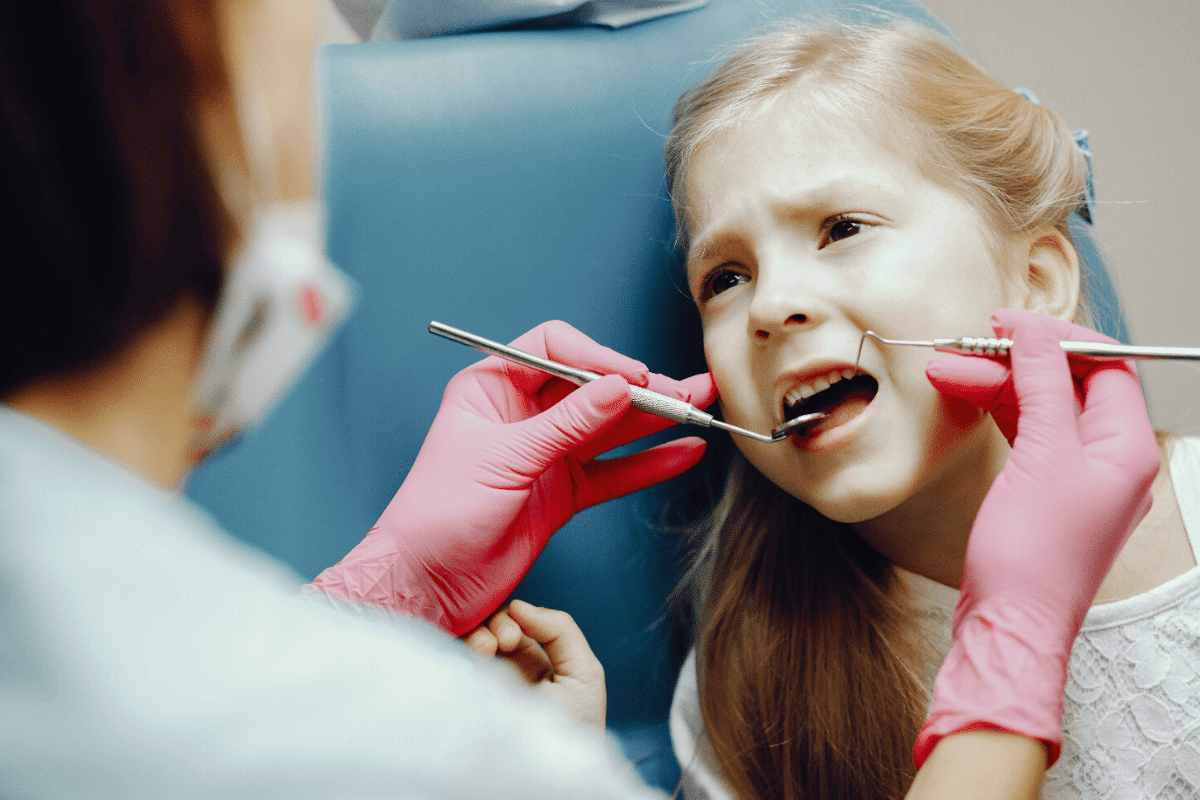
The connection between emotional health and physical health has always intrigued medical professionals. In children, emotional well-being plays a vital role in their overall health, including oral health. Recent studies suggest that childhood anxiety and stress might be contributing factors to dental issues like cavities.
The impact of anxiety and stress often manifests in several ways, ranging from behavioral changes to physical symptoms. These effects may extend to oral health by influencing habits, diet, and even physiological responses. This blog explores what cavities are the possible connection between childhood anxiety or stress and tooth decay.
What Are Cavities?
Cavities, sometimes referred to as tooth decay, are portions of the hard surface that are permanently damaged. These areas develop into tiny holes or openings. Cavities occur when bacteria in the mouth interact with sugars from food or drinks, producing acids that erode the enamel. Over time, this process can lead to decay, discomfort, or even severe dental issues if untreated.
Cavities are prevalent among children due to several factors, including poor oral hygiene, frequent snacking, and sugary diets. Although cavities can be treated, prevention is always preferable to treatment. Regular dental checkups with a pediatric dentist in Katy and maintaining a healthy oral routine are critical in managing pediatric dental health.
Understanding the Link Between Stress, Anxiety, and Tooth Decay
Childhood anxiety and stress can contribute to cavities in subtle yet significant ways. Let’s examine how emotional health might influence oral health:
1. Impact on Eating Habits
Unhealthy eating habits are frequently caused by stress and worry. Dental fear in children experiencing emotional distress might crave sugary snacks or drinks, which are primary contributors to decay. Alternatively, some kids may lose their appetite, skipping meals and disrupting their nutrient intake, which weakens dental enamel.
2. Neglected Oral Hygiene
Anxious or stressed children may find it difficult to maintain a consistent oral hygiene routine. Emotional distress can distract children from brushing and flossing regularly, increasing the risk of cavities.
3. Physiological Changes
Stress triggers certain physiological responses, including dry mouth. Reduced saliva production makes it harder for the mouth to wash away harmful bacteria, creating an environment conducive to decay. This phenomenon is often observed in children suffering from chronic stress or dental anxiety in kids.
4. Dental Fear and Avoidance
Children who are afraid of the dentist may avoid going to the dentist on a regular basis. Anxiety about treatment can prevent timely diagnosis and management of decay, allowing minor issues to escalate into larger problems.
5. Weakened Immune Response
Chronic stress may weaken a child’s immune system, making them more susceptible to infections, including bacterial infections in the mouth. A compromised immune response can exacerbate childhood cavities, complicating dental care.
How to Address the Issue Effectively?
Promoting a Holistic Approach
Parents and caregivers should adopt a holistic approach to tackle both anxiety and dental health. Ensuring a child’s mental well-being can indirectly promote healthier habits, improving their oral hygiene. Activities like yoga, mindfulness exercises, and open communication about emotions can reduce stress levels in children.
Encouraging Regular Dental Visits
Pediatric oral health improves significantly with routine checkups. Professional guidance can help identify early signs of cavities and provide appropriate interventions. A Katy dentist can create a child-friendly environment that minimizes fear, encouraging children to feel comfortable during appointments.
Establishing a Dental Routine
Parents can help children establish a regular brushing and flossing routine. Supervision and positive reinforcement encourage kids to take pride in their oral care.
Limiting Sugary Foods and Drinks
A healthy diet is essential for maintaining good oral health. Limiting sugary snacks while introducing nutrient-rich alternatives can protect enamel and reduce tooth decay.
Consult a Pediatric Dentist
The link between childhood anxiety, stress, and tooth decay highlights the importance of addressing emotional and physical health together. While it may seem challenging, taking proactive steps to manage these aspects can ensure better long-term health for children. Remember, addressing the root cause of emotional distress can lead to improved oral habits and overall well-being.
If you are concerned about oral health, consulting a trusted Katy dentist can help. We provide personalized care tailored to your child’s needs. Avalon Dental Group P.C. offers compassionate, expert care in a child-friendly environment. Schedule an appointment today and give your child’s smile the attention it deserves.