Can You Really Heal a Cavity Without a Filling?


Many people are drawn to the idea of avoiding dental procedures and hope that cavities can heal naturally. It’s a topic surrounded by both curiosity and misinformation. The truth is more nuanced. While early stages of tooth decay may be reversible with the right care, an actual cavity — once a hole has formed in the tooth — requires professional treatment. Understanding the difference between these stages is key to taking control of your oral health and making informed decisions that protect your smile for the long term.
What Is a Cavity? Understanding the Stages of Tooth Decay
A cavity, or dental caries, is the result of a slow but progressive process of tooth decay. Not all cavities are the same, and not all require fillings right away. Knowing where your tooth is on the decay timeline makes all the difference.
Stage 1: Enamel Demineralization
This is the earliest stage of tooth decay, where the tooth’s enamel begins to lose essential minerals like calcium and phosphate. There is no physical hole yet, but white spots may appear as an early warning.
Good news: At this point, the damage is still reversible with the right care.
Stage 2: Cavitation (Actual Cavity Formation)
When demineralization progresses, the enamel structure breaks down and forms a cavity — a permanent hole in the tooth. At this stage, natural healing is no longer possible, and restorative treatment is required to prevent pain, infection, or tooth loss.
Can Cavities Heal Naturally?
If you’ve been told you can “heal a cavity without a filling,” there’s a chance it refers to early-stage demineralization, not an actual cavity. While it’s common to see online advice or home remedies that promise reversal of cavities, scientific evidence supports healing only in the earliest phase of decay — before structural damage occurs.
How Enamel Can Remineralize
Your teeth are in a constant battle between demineralization and remineralization. Certain habits and treatments help tip the scale toward healing, such as:
- Daily brushing with fluoride toothpaste
- Professional fluoride applications
- A balanced, low-sugar diet
- Drinking fluoridated water
- Avoiding frequent snacking
- Chewing sugar-free gum (xylitol)
These approaches strengthen enamel and allow it to repair itself naturally — but only before a cavity forms.
What Happens If a Cavity Is Left Untreated?
When a cavity progresses past the enamel and into the dentin (the inner layer of the tooth), bacteria spread more rapidly. This can result in:
- Increased sensitivity or pain
- Dark spots or visible holes
- Infection or abscess
- Potential need for root canal or extraction
At this point, delaying treatment doesn’t allow healing — it only increases the risk and cost of care. A dental filling or restoration becomes necessary to preserve the tooth and prevent complications.
How to Prevent Cavities: Expert Tips for Stronger Teeth
Preventing cavities is much easier and less expensive than treating them. Based on current dental research and decades of clinical experience, here are proven strategies that support long-term oral health:
1. Consistent Daily Oral Hygiene
- Brush with fluoride toothpaste for at least two minutes, twice a day
- Floss daily to clean between teeth and reduce plaque buildup
2. Fluoride Use
- Choose a fluoride-containing mouth rinse or gel
- Ask your dentist about in-office fluoride treatments, especially if you’re cavity-prone
3. Smart Nutrition Choices
- Reduce sugar and acidic foods that fuel harmful bacteria
- Eat tooth-friendly foods rich in calcium and phosphorus
4. Regular Dental Check-Ups
- Schedule cleanings and exams every six months
- X-rays and oral evaluations help detect decay in its earliest, most treatable stages
The Role of the Dentist in Early Detection and Guidance
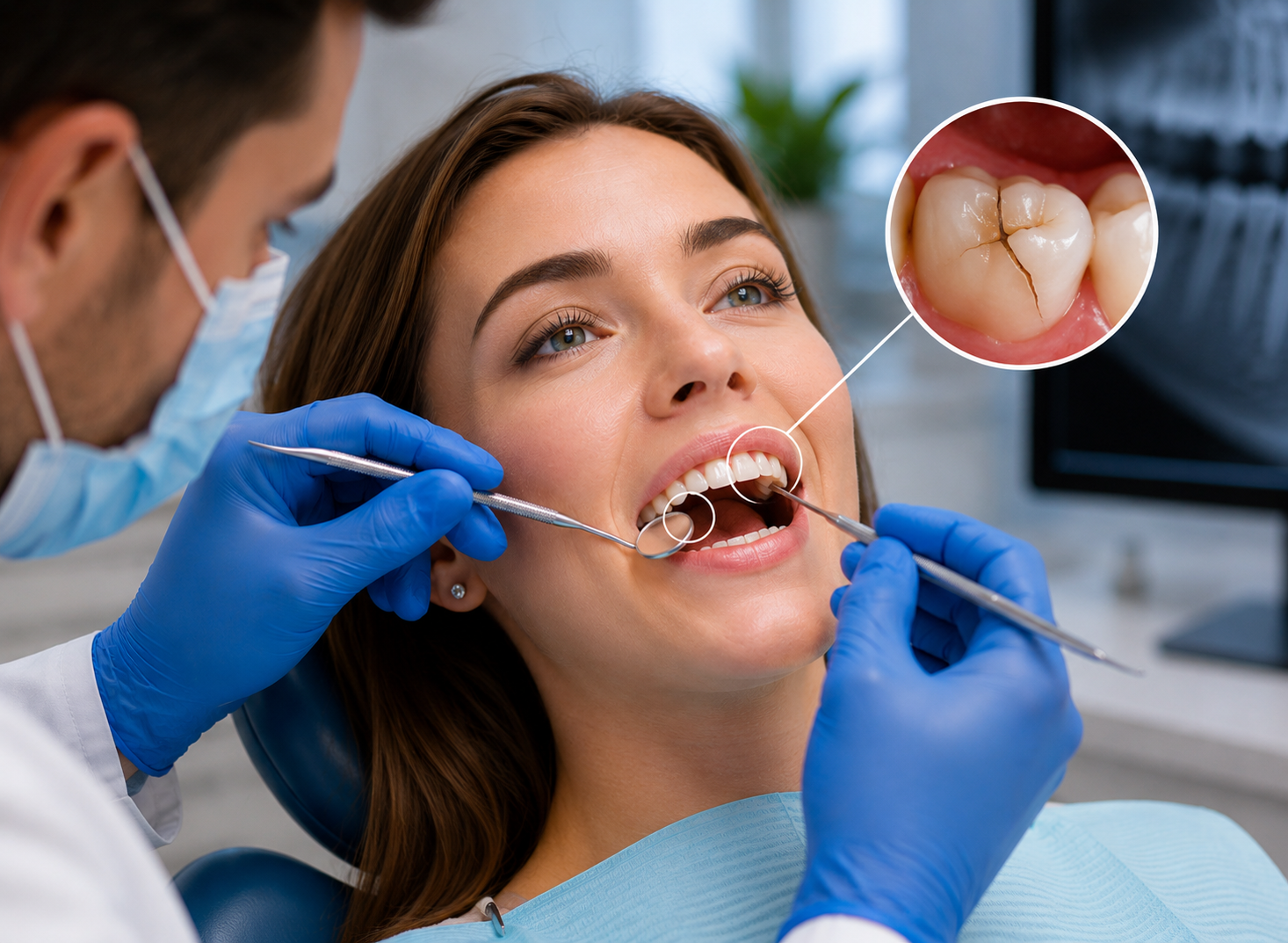
Even the best at-home care can’t replace professional oversight. A licensed dentist has the tools and training to detect early signs of decay before they progress, using:
- Digital X-rays
- Visual and tactile examinations
- Preventive counseling tailored to your dental history
At Avalon Dental Group, we emphasize patient education and early intervention. Our approach is centered on individualized care, honest communication, and evidence-based dentistry — always with your comfort and long-term wellness in mind.
Final Takeaway
Healing a cavity without a filling is possible, but only in its earliest stage, before the enamel breaks down. Once a cavity forms, it will not repair on its own and requires professional treatment. The key is catching it early through preventive care, healthy habits, and regular dental visits.
Trusted Dental Care in Sugar Land and Nearby Communities
If you’re wondering about a spot on your tooth or it’s been a while since your last check-up, our team is here to help. Avalon Dental Group provides compassionate, comprehensive care to patients in Sugar Land and surrounding communities, combining advanced technology with personalized attention. Schedule your appointment today — and take a confident step toward a healthier, cavity-free smile.