Can Rotten Baby Teeth Affect Permanent Teeth?

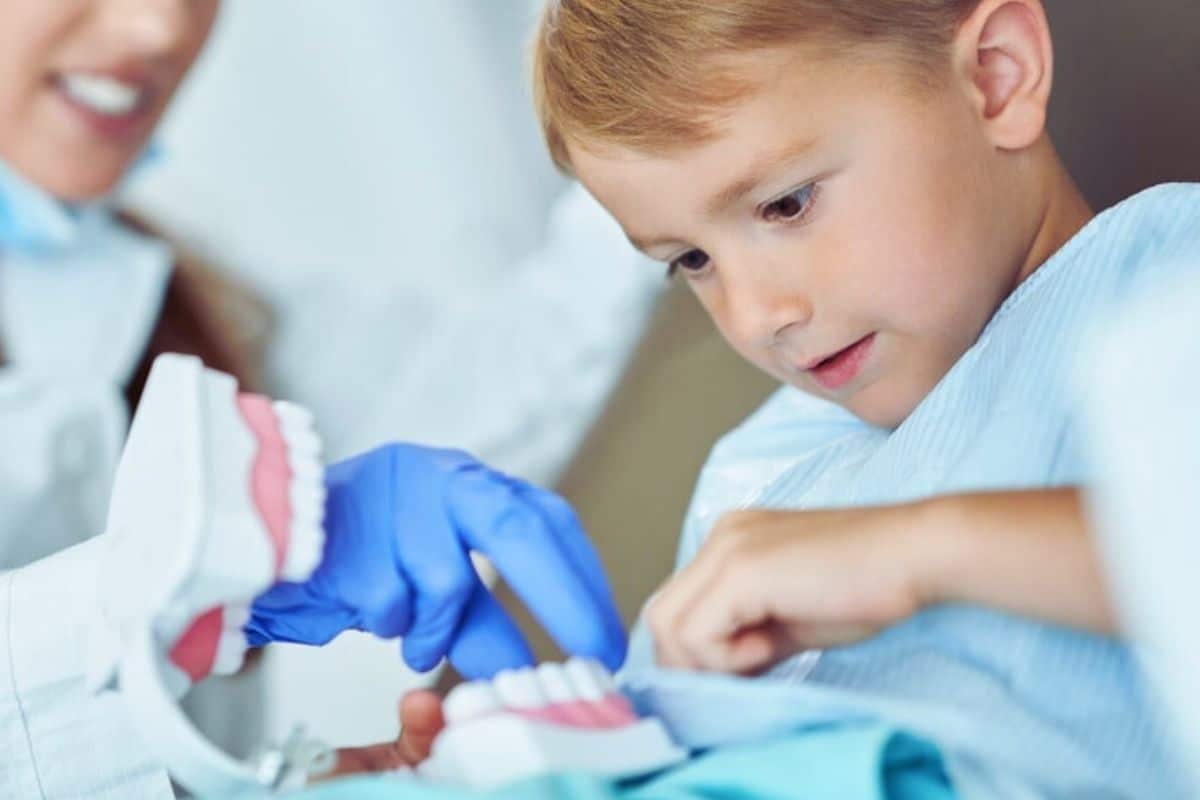
As a parent, you may wonder how important baby teeth really are. Since they eventually fall out, is it necessary to worry about cavities or decay? The answer is a resounding yes! Healthy baby teeth play a crucial role in your child’s overall oral development. As an experienced pediatric dentist in Katy, TX, we’re here to explain how rotten baby teeth can impact permanent teeth and why routine care for kids is essential for a lifetime of healthy smiles.
The Importance of Baby Teeth
Baby teeth, also known as primary teeth, begin developing before your child’s first birthday. By the time most children turn three, they have a full set of 20 baby teeth. These teeth are not just placeholders; they serve important functions, including:
- Holding space for permanent teeth and guiding them into place
- Assisting in proper speech development
- Helping children chew food effectively
Neglecting baby teeth because of the belief that they will eventually fall out can have long-term consequences, as decay in baby teeth can directly affect the development and health of adult teeth.
How Cavities in Baby Teeth Affect Permanent Teeth
A cavity that is left untreated can deepen, leading to an infection that spreads to surrounding teeth and gum tissue. Here’s how decayed baby teeth can impact permanent teeth:
Tooth Infections and Abscesses: When a cavity reaches the inner layers of the tooth, it can cause an infection, such as an abscess. This pus-filled infection can extend to the developing permanent tooth beneath, potentially leading to:
- Delayed eruption of the adult tooth
- Permanent discoloration or staining of the new tooth
- Structural malformations in the permanent tooth
Orthodontic Issues: Losing a baby tooth too early due to severe decay can create spacing issues. When a baby tooth is lost before its time, adjacent teeth may shift into the empty space, causing crowding or misalignment when the permanent teeth start coming in. This can lead to the need for orthodontic treatment later on.
Harm to Overall Oral Health: Cavities don’t just affect one tooth—they spread. A severely decayed baby tooth can pass harmful bacteria to neighboring teeth, increasing the risk of widespread cavities. Additionally, if an infection reaches the jawbone, it can interfere with proper jaw development and alignment.
Preventing Cavities and Keeping Baby Teeth Healthy
Good oral hygiene habits and routine care for kids are key to preventing tooth decay and ensuring healthy permanent teeth. Here’s how you can protect your child’s oral health:
Schedule Regular Pediatric Dental Visits: Bringing your child to a pediatric dentist every six months allows for early detection of cavities and preventive treatments like fluoride and dental sealants, while also helping to build good dental habits from a young age.
Establish a Strong Oral Hygiene Routine: The following techniques can help encourage proper brushing and flossing:
- Brush twice a day with fluoride toothpaste
- Floss daily to remove food particles and plaque
- Limit sugary snacks and drinks that contribute to cavities
Lead by Example: Children learn best by watching their parents; brush and floss alongside them to reinforce the importance of good oral hygiene.
Give Your Child a Healthy Start
At Avalon Dental Group, we specialize in pediatric dentistry and are committed to providing compassionate, high-quality dental care for children in Katy and the surrounding areas. Whether it’s a routine checkup, cavity prevention, or emergency care, we’re here to ensure your child’s smile stays bright and healthy.
Don’t wait for cavities to become a problem—schedule an appointment today and give your child the foundation for a lifetime of healthy smiles.