
Can a Tooth Rot Under a Filling?

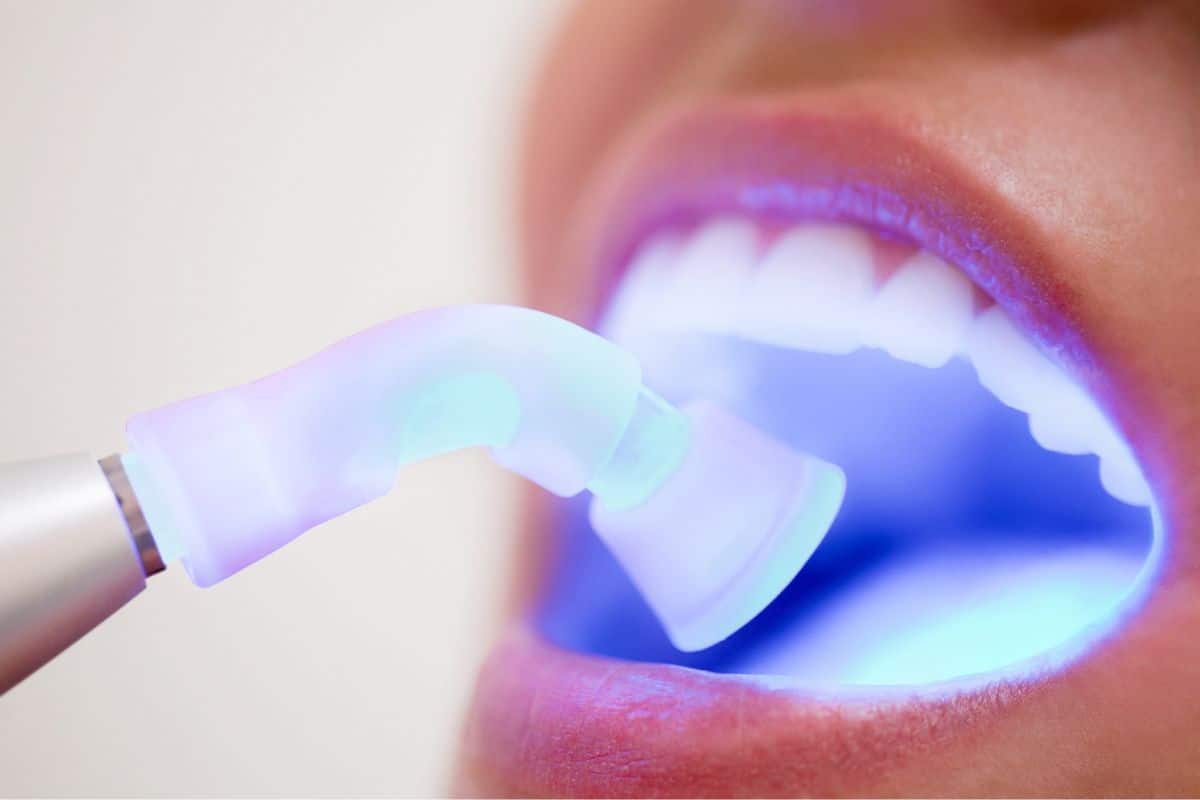
Fillings are essential in restoring the functionality and aesthetics of a tooth that has been damaged by decay. However, one common concern among patients is whether a tooth can rot under a filling. Understanding this issue is crucial for maintaining optimal dental health. This blog will explore the causes, symptoms, prevention, and treatment options related to decay under a filling.
What Causes Tooth Decay Under a Filling?
Incomplete Removal of Decay
One of the primary reasons for decay under a filling is the incomplete removal of the decayed area before the filling is placed. If the decay is not entirely removed, bacteria can continue to thrive under the filling, leading to further decay.
Wear and Tear of Fillings
Over time, fillings can wear down, crack, or pull away from the tooth, creating spaces where bacteria can enter. This can lead to new decay forming under the filling.
Poor Oral Hygiene
Neglecting oral hygiene can contribute to decay under fillings. Plaque buildup around the filling can seep into any gaps between the tooth and the filling, promoting decay.
Type of Filling Material
Certain filling materials may not bond well to the tooth, increasing the risk of decay. For example, amalgam fillings are durable but do not bond to the tooth structure, potentially leaving gaps that can harbor bacteria.
Symptoms of Decay Under a Filling
Tooth Sensitivity
Sensitivity to hot, cold, or sweet foods and drinks can be a sign of decay under a filling. This occurs when the decay reaches the dentin or pulp of the tooth, irritating.
Pain or Discomfort
Persistent tooth pain or discomfort, especially when biting down, can indicate that decay has progressed under a filling.
Visible Discoloration
Dark spots or discoloration around the filling can be a visual indicator of underlying decay.
Bad Breath
Decay under a filling can lead to bad breath due to the presence of bacteria and food particles trapped under the filling.
Diagnosis and Treatment
Dental Examination
A thorough dental examination by a Dentist in Sugar Land or Katy Dentist can help diagnose decay under a filling. Dentists use dental instruments to probe the filling and check for any signs of decay.
Dental X-Rays
X-rays are essential in detecting decay under a filling that is not visible to the naked eye. They can reveal the extent of decay and help in planning the appropriate treatment.
Treatment Options
Replacing the Filling
If decay is detected early, the dentist may remove the old filling, clean out the decay, and replace it with a new filling.
Root Canal Therapy
If the decay has reached the pulp of the tooth, a root canal may be necessary. This involves removing the infected pulp, cleaning the root canals, and sealing them.
Dental Crowns
In cases where the tooth structure is significantly compromised, a dental crown may be placed to restore the tooth’s functionality and prevent further decay.
Dental Implants
In severe cases where the tooth cannot be saved, extraction followed by a dental implant may be recommended. An Implant Dentist in Sugar Land can provide the best treatment options for replacing a lost tooth.
Preventing Decay Under a Filling
Regular Dental Check-Ups
Routine visits to your Dentist in Sugar Land or Katy Dentist can help detect any issues with your fillings early on. Regular check-ups allow for timely intervention and prevention of further decay.
Good Oral Hygiene Practices
Maintaining a good oral hygiene routine is crucial. Brush twice a day with fluoride toothpaste, floss daily, and use an antibacterial mouthwash to reduce plaque buildup.
Avoiding Sugary Foods and Drinks
Limit your intake of sugary foods and drinks as they can contribute to plaque buildup and decay. Opt for a balanced diet rich in fruits, vegetables, and dairy products to support oral health.
Using Dental Sealants
Sealants can provide an extra layer of protection for your teeth, especially those with fillings. They help prevent bacteria and food particles from entering small crevices around the filling.
Conclusion
Decay under a filling is a common but preventable issue. By understanding the causes, symptoms, and treatment options, you can take proactive steps to maintain your oral health. Regular visits to your Dentist in Sugar Land or Katy Dentist, combined with good oral hygiene practices, can help you keep your teeth and fillings in excellent condition. If you suspect decay under a filling, don’t hesitate to seek professional advice from us to ensure the best possible care for your smile.