Are Flavored Sparkling Waters Worse for Your Teeth?


In recent years, flavored sparkling waters have surged in popularity as a refreshing, low-calorie alternative to sugary sodas and juices. Many people now rely on these fizzy beverages to quench their thirst without the added sugar and calories that come with traditional soft drinks. However, as with any trend, questions about their potential impact on health naturally arise.
In this blog post, we’ll dive into the science behind sparkling waters, explore their potential effects on oral health, and provide you with practical tips on how to enjoy them without harming your smile.
What Is Sparkling Water?
Sparkling water is simply water that has been carbonated, meaning it contains dissolved carbon dioxide gas, which creates the bubbles. This process gives the water its characteristic fizz. Flavored sparkling waters take things a step further by adding natural or artificial flavors to make them more enjoyable.
While sparkling waters are often marketed as a healthier alternative to sugary sodas, they are still a subject of debate when it comes to their effects on dental health. To understand this, we need to examine two key factors: acidity and carbonation.
How Does Acidity Affect Your Teeth?
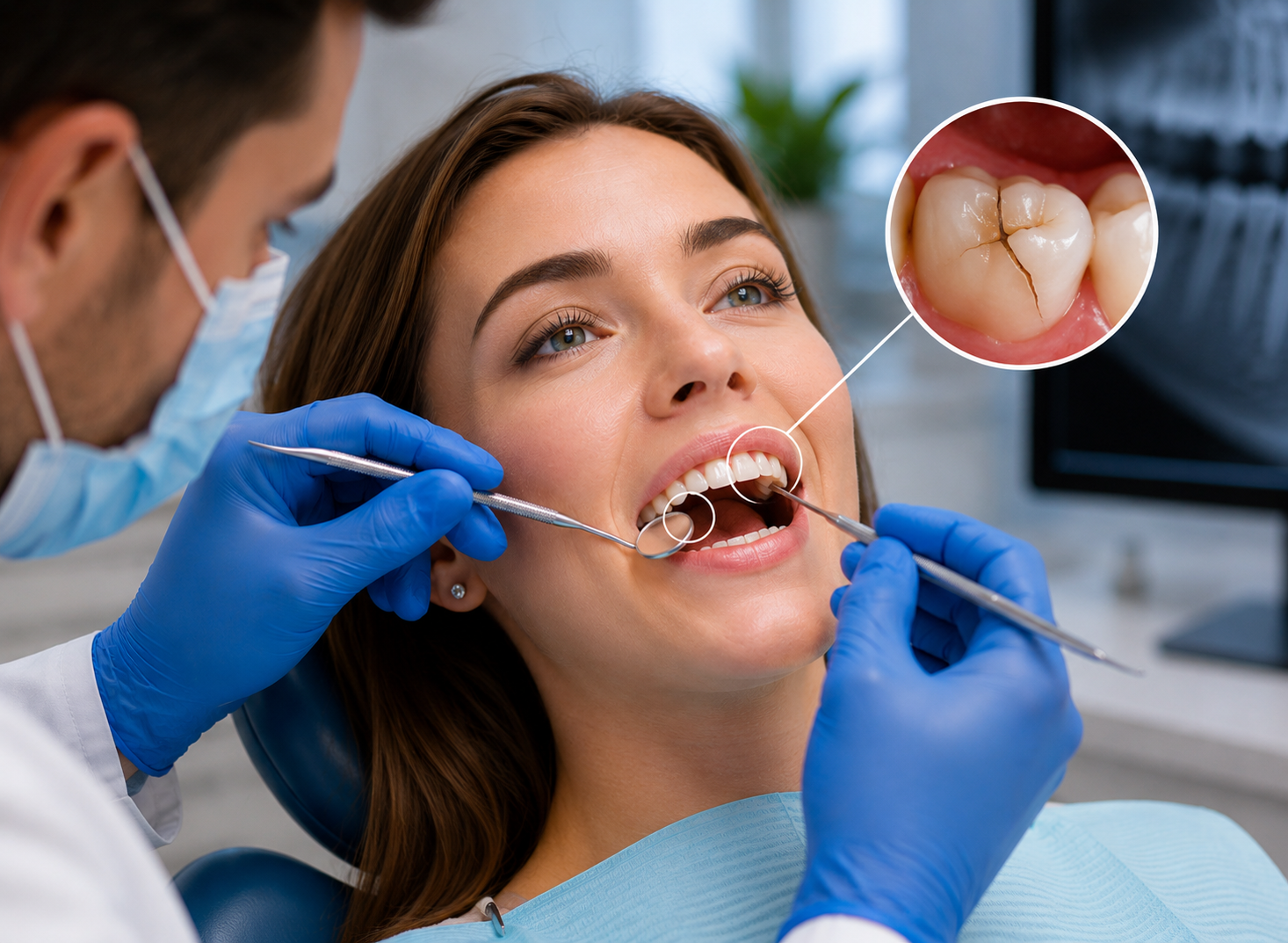
Teeth are designed to withstand some level of acidity, but prolonged exposure can lead to damage. When enamel erodes, it exposes the softer, more vulnerable dentin layer beneath. This can result in tooth sensitivity, pain, and an increased risk of cavities.
The erosion process can be subtle, often taking years to become noticeable. However, habits like sipping flavored sparkling water throughout the day or using it as a substitute for regular water may expose your teeth to acid frequently, which accelerates the wear on enamel.
While the occasional sip of flavored sparkling water may not cause significant harm, regular and continuous consumption especially if you sip throughout the day can gradually weaken enamel.
Plain vs. Flavored: Is One More Harmful?
Flavored sparkling water, in general, has a slightly higher risk for tooth damage compared to plain sparkling water due to the added acids and sugars. Even if the drink is free from added sugars, the artificial or natural flavors can contribute to acidity.
It’s important to note that many flavored sparkling waters are marketed as being “sugar-free,” and while this is a healthier option than traditional sodas, they can still be detrimental to your teeth. As mentioned earlier, the added citric acid or other flavor-enhancing ingredients increase the acidity of the drink, which can lead to enamel erosion over time.
Tips to Reduce the Impact on Teeth
While flavored sparkling waters do present some risk to your teeth, there are several steps you can take to minimize their impact:
1. Drink in Moderation
Like all acidic beverages, moderation is key. Limit your intake of flavored sparkling water and avoid sipping it continuously throughout the day. Instead, try to drink it in one sitting and drink regular water in between to neutralize the acidity.
2. Use a Straw
Drinking through a straw can help minimize contact between the acidic water and your teeth. This reduces the exposure to enamel, particularly on the front teeth.
3. Rinse with Water Afterward
After drinking flavored sparkling water, rinse your mouth with plain water. This helps to wash away any residual acid and reduces the amount of time your teeth are exposed to harmful substances.
4. Wait Before Brushing
It’s important not to brush your teeth immediately after consuming an acidic beverage. Acid softens the enamel temporarily, and brushing right after can cause more damage. Wait at least 30 minutes before brushing your teeth to allow your enamel to harden again.
5. Choose Flavored Sparkling Water with Low Acidity
If you are particularly concerned about your dental health, opt for flavored sparkling waters with a lower acidity level. Some brands offer drinks with lower citric acid content or use other ingredients to add flavor without significantly increasing the acidity.
How Do You Know If Enamel Is Being Affected?
Early enamel erosion isn’t always easy to notice. Some signs include:
- Increased sensitivity to hot, cold, or sweet foods
- A translucent appearance near the edges of the teeth
- A duller or more yellow look, as enamel thins and the dentin beneath shows through
If you’re noticing any of these changes, it’s a good idea to have your teeth checked by a professional dental team. Regular evaluations can help detect enamel wear early and prevent more serious issues from developing.
The Bottom Line: Enjoy in Moderation, Protect Your Teeth
While flavored sparkling waters can be a better option than sugary sodas, their acidity still poses a risk to dental enamel. At Avalon Dental & Orthodontics, we believe that being mindful of your daily habits is key to maintaining long-term oral health. If you have any questions or concerns about your diet’s effect on your teeth, we are here to provide professional guidance. Contact our practice today to schedule a consultation.
We are conveniently located at 4030 FM 1463, Suite 103, and are proud to serve the Katy area and surrounding communities. Our team is committed to helping you maintain a healthy, beautiful smile for years to come.
Frequently Asked Questions
Is plain sparkling water also bad for my teeth?
Plain sparkling water is less acidic than flavored versions, but it still contains carbonic acid from the carbonation process. This makes it mildly acidic. While it’s not as harmful as sugary sodas or citrus-flavored sparkling waters, frequent and prolonged exposure can still contribute to enamel erosion over time. Drinking it in moderation and using a straw can help reduce the risk.
What are some tooth-friendly drink options?
The best drink for your teeth is plain, fluoridated water. It helps rinse the mouth, neutralize acids, and support healthy saliva flow. Unsweetened milk and herbal teas (without added sugar or citrus) are also gentle on enamel. Limiting the intake of acidic or sugary drinks between meals can further protect your teeth.
Should I brush my teeth immediately after drinking flavored sparkling water?
No, it’s best to wait about 30 to 60 minutes before brushing. Flavored sparkling water, due to its acidity, temporarily softens tooth enamel. Brushing right away can wear away the softened enamel. Instead, rinse your mouth with plain water and give your enamel time to reharden before brushing.
How can a dentist help me if I have enamel erosion from acidic drinks?
A dentist can assess the extent of enamel erosion and recommend appropriate treatment. This may include fluoride treatments to strengthen remaining enamel, dental bonding to protect worn areas, or lifestyle guidance to prevent further damage. Early detection through regular dental visits can help manage the condition and preserve your teeth.