Broken Filling Pain: When to Worry and See a Dentist


Dental fillings are designed to restore both the function and appearance of a tooth. Most last for many years, but sometimes they can crack, loosen, or even fall out. When that happens, you may experience discomfort or sharp pain that shouldn’t be ignored.
Knowing when tooth pain after a broken filling is normal, and when it signals a bigger issue, can help protect your oral health and prevent complications.
Can a Broken Filling Cause Pain?
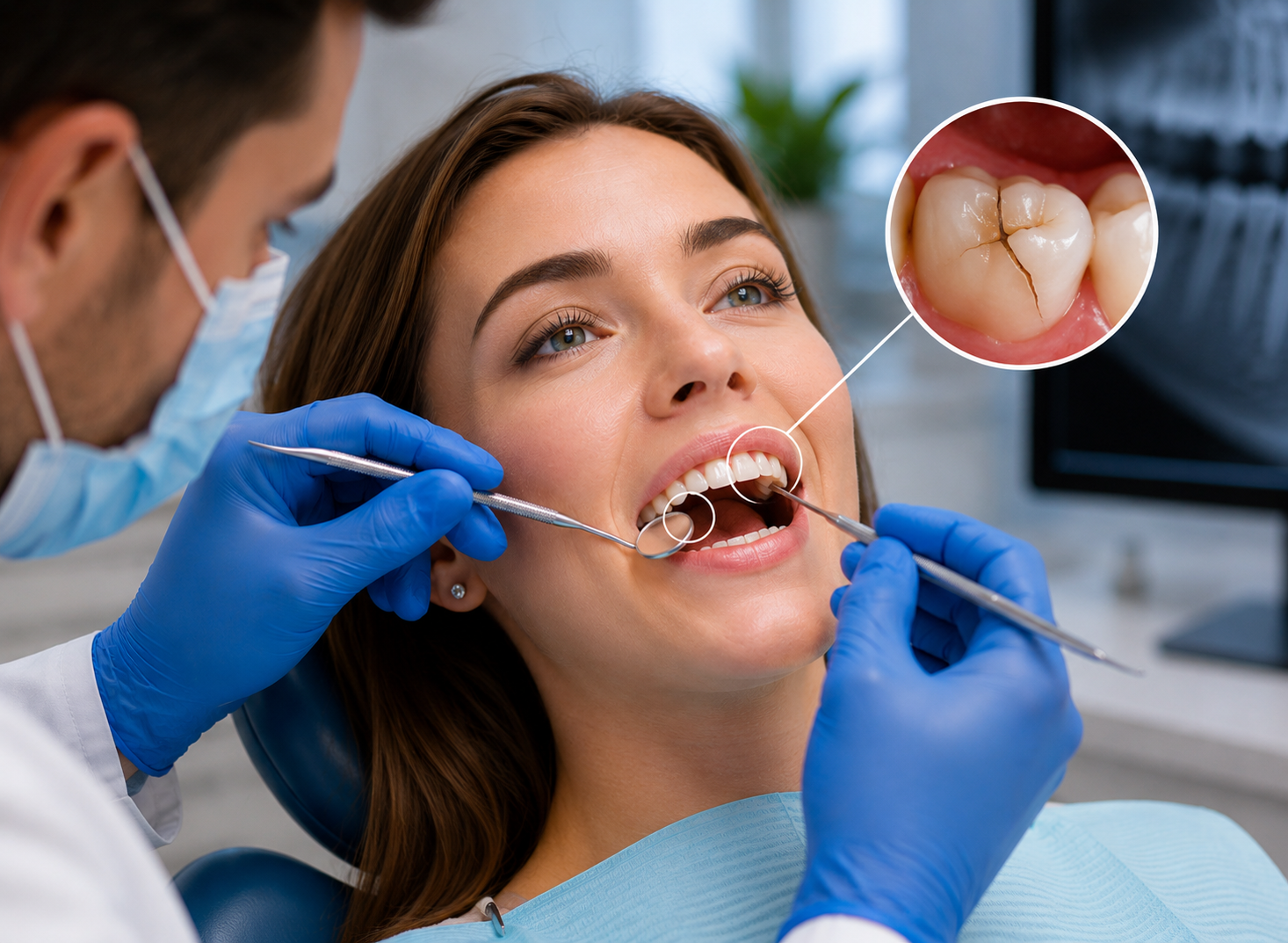
Yes. A broken or damaged filling can expose the sensitive inner layers of your tooth, such as the dentin and nerves. This often leads to pain that may feel:
- Sharp or stabbing
- Sensitive to hot, cold, or sweet foods
- Worse when chewing
If left untreated, the exposed tooth can become vulnerable to decay or infection.
What Does Broken Filling Tooth Pain Feel Like?
Many people describe pain under a broken filling as:
- A dull ache that worsens with chewing
- Sensitivity when drinking hot or cold beverages
- Irritation that doesn’t fully go away
It’s normal to experience some sensitivity right after a filling, but if the discomfort persists or intensifies, it may signal an underlying issue that should be evaluated by a dental professional.
Why Do Some People Feel Pain After a Filling?
A little tenderness after a new filling is common. However, ongoing discomfort can mean something isn’t right. Common causes include:
- Bite misalignment – the filling may be too high, creating pressure when you bite down
- Cracks or gaps – bacteria can seep in and irritate the tooth’s nerve
- Underlying decay – if not fully removed, it may continue to cause pain
How Long Should a Tooth Hurt After a Filling?
- Normal: Mild sensitivity for 1–3 days as your tooth adjusts
- Not normal: Pain lasting more than a week, or worsening over time
If your tooth continues to hurt, it may point to complications such as an ill-fitting filling or early infection.
Signs of Tooth Infection After a Filling
One of the most serious issues following a broken filling is infection. Symptoms may include:
- Throbbing or constant pain
- Swelling around the tooth or gums
- Sensitivity to hot or cold that gets worse over time
- Fever or feeling generally unwell (in advanced cases)
If you notice these signs, see a dentist immediately. Quick treatment can prevent the infection from spreading and help save your tooth.
When You Should See a Dentist
Minor sensitivity often improves on its own. But you should schedule an appointment if:
- The filling cracks, chips, or falls out
- Pain lingers beyond a few days or worsens
- You notice swelling, throbbing, or other infection symptoms
A trusted dentist can replace the filling, restore your tooth, and relieve pain before the issue escalates.
Preventing Future Problems
You can lower the risk of broken fillings and tooth pain by:
- Attending regular dental check-ups to catch issues early
- Brushing twice daily and flossing to protect your teeth
- Avoiding habits like chewing ice, pens, or hard candy
Final Thoughts
Pain from a broken filling should never be ignored. While mild sensitivity is normal at first, ongoing or severe pain often means your tooth needs professional attention.
By recognizing the signs of infection and seeking timely dental care, you can protect your teeth and maintain a healthy, pain-free smile.
If you’re in Sugar Land or nearby areas and experiencing discomfort from a broken filling, connect with our dentist at Avalon Dental Group today. Conveniently located at 2225 Williams Trace Blvd Ste 111, we provide thorough, gentle care to restore your tooth and relieve pain quickly.