Can Orthodontics Help with Teeth Grinding?

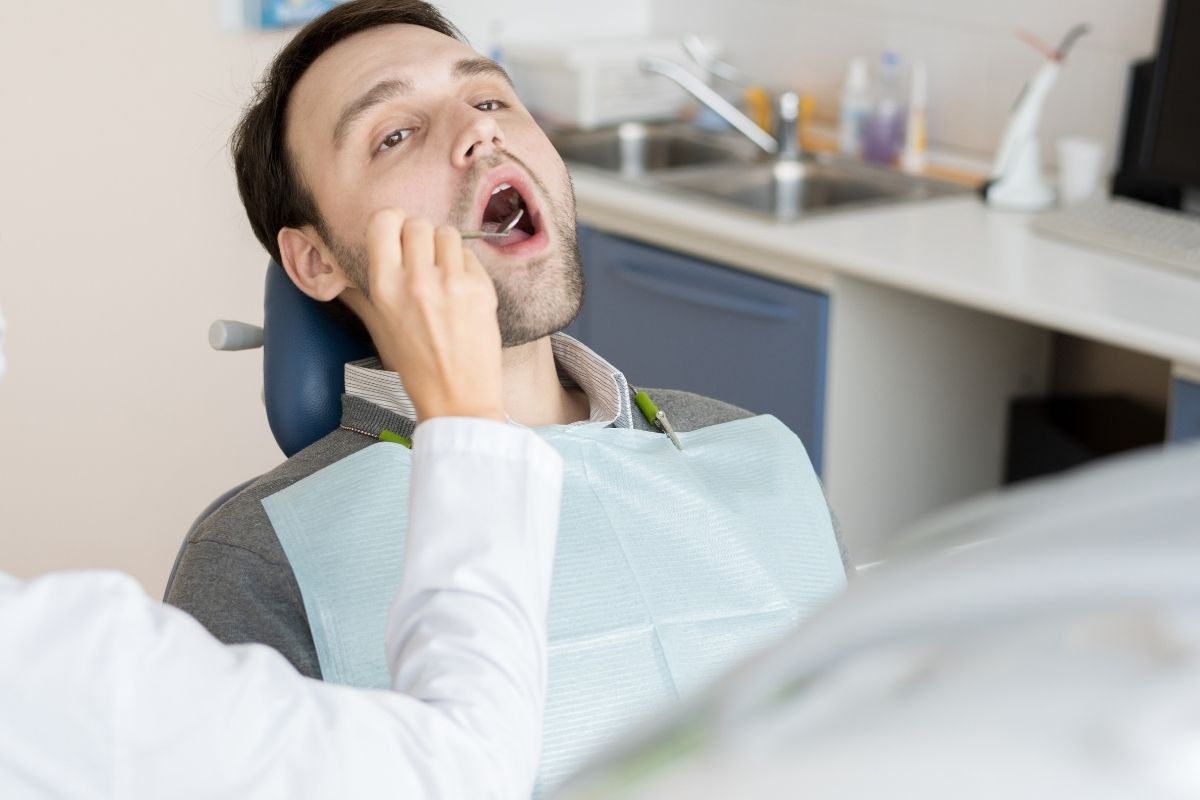
Teeth grinding often goes unnoticed until it begins affecting daily comfort. Jaw tension in the morning, recurring headaches, or soreness while chewing can all point toward an issue that is happening during sleep. This condition, known as bruxism, is more common than many realize and can gradually impact both dental health and overall well-being.
At Avalon Dental & Orthodontics, the team includes both a dentist and an orthodontist who work together to evaluate concerns like teeth grinding. Serving individuals and families in the Katy area, our office focuses on personalized care that looks beyond symptoms and considers how bite alignment, jaw function, and daily habits all connect.
What Teeth Grinding Really Means
Bruxism refers to the involuntary clenching or grinding of teeth, most often during sleep. Because it happens unconsciously, many people are unaware of it until signs begin to appear. Over time, repeated grinding can place excess pressure on teeth and jaw joints, leading to visible wear and ongoing discomfort.
While stress and sleep issues are commonly discussed, the way teeth fit together also plays a meaningful role. This is where an orthodontist may become part of the conversation.
Signs That Should Not Be Ignored
Teeth grinding can affect more than just the teeth. Some of the most common indicators include:
- Headaches that are more noticeable in the morning
- Jaw tightness or muscle fatigue
- Facial soreness or ear discomfort
- Pain while chewing or speaking
- Limited jaw movement
- Tooth sensitivity without obvious decay
These signs often develop gradually, which is why early evaluation can be helpful.
Why Teeth Grinding Happens
Bruxism is usually linked to a combination of factors rather than a single cause.
Stress and emotional tension can trigger muscle activity during sleep. There is also evidence that teeth grinding can run in families, often linked to shared jaw structure or muscle patterns. Lifestyle habits such as frequent caffeine intake, alcohol use, or smoking can increase the likelihood of clenching. Certain medications are known to contribute as well. In some cases, sleep-related breathing issues like sleep apnea are also involved. Another overlooked factor is bite alignment.
The Role of Orthodontics in Managing Bruxism
Orthodontic treatment does not directly stop teeth grinding, but it can help address underlying issues that make grinding worse. When teeth are misaligned or the bite does not function properly, the jaw muscles may work harder to compensate. This added strain can increase clenching and grinding, especially at night.
By improving how the upper and lower teeth come together, orthodontic care can help balance bite forces and reduce unnecessary stress on the jaw. An orthodontist evaluates alignment, spacing, and jaw positioning to determine whether bite correction could support overall comfort.
A Coordinated Approach to Care
Teeth grinding is rarely solved with a single solution. It often requires a thoughtful combination of approaches that may include bite evaluation, protective appliances, and addressing contributing habits or sleep concerns.
At Avalon Dental & Orthodontics, care is planned with the individual in mind, taking into account comfort, long-term oral health, and lifestyle factors rather than focusing on symptoms alone. If teeth grinding is disrupting your life, scheduling a visit with our team can help clarify what is contributing to the issue and how it can be managed. To schedule an appointment, you can submit an online form or contact the office directly.
Bringing It All Together
Teeth grinding can be easy to overlook, but its effects on comfort and oral health can add up over time. Understanding the connection between bite alignment, jaw function, and bruxism helps bring clarity to why symptoms occur and how they can be managed. A thoughtful, informed approach makes a meaningful difference in protecting both the teeth and overall well-being.