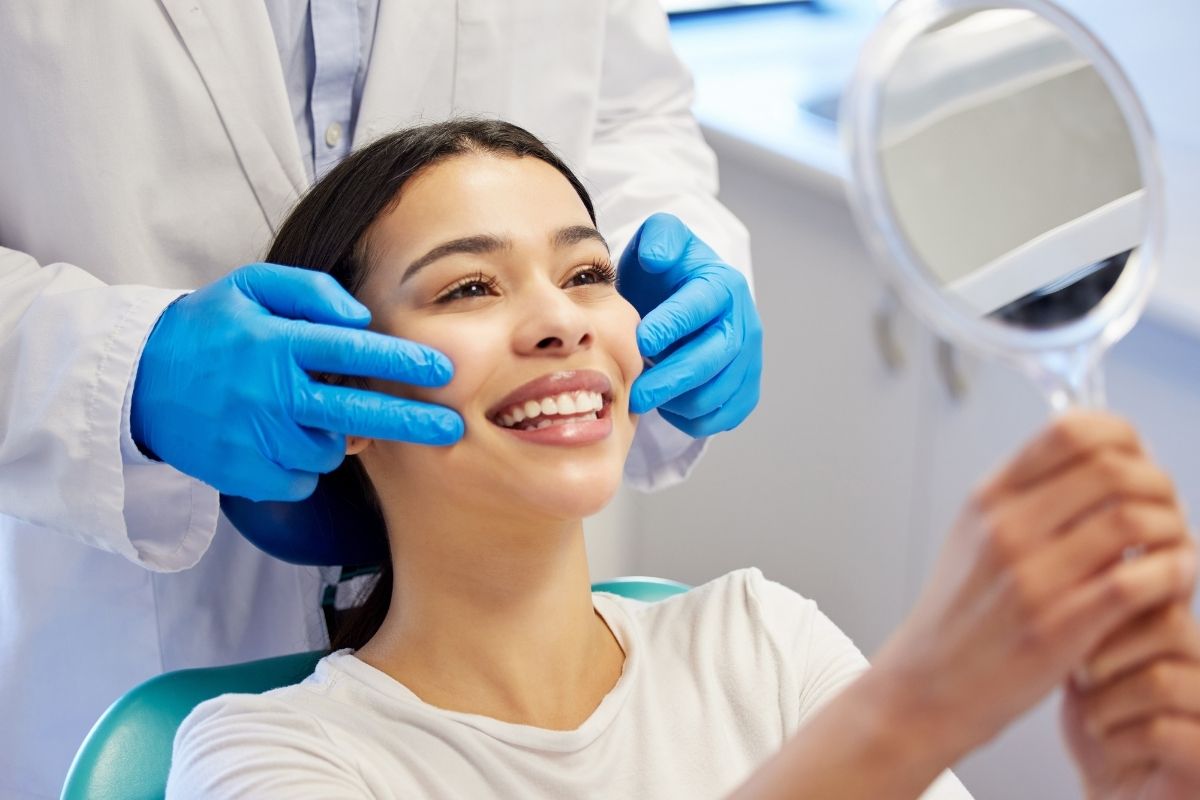
Is Teeth Whitening Safe for People with Enamel Defects?


Teeth whitening remains one of the most popular cosmetic dental treatments, but not everyone is an ideal candidate for whitening products. If you have been diagnosed with an enamel defect or suspect that your enamel has become damaged over time, you may wonder whether whitening treatments are safe or whether they could make the problem worse.
The answer depends on the type and severity of the enamel defect. While some patients can safely whiten their teeth under professional supervision, others may achieve better results with alternative cosmetic treatments.
At Avalon Dental & Orthodontics, we help patients throughout Katy understand their cosmetic dentistry options and choose treatments that support both the appearance and health of their smiles. Dr. Yu and Dr. Bartholomew take a personalized approach to cosmetic dental care, helping patients determine whether teeth whitening is appropriate for their unique dental condition.
Quick Answer: Is Teeth Whitening Safe with Enamel Defects?
Sometimes, but not always.
Professional teeth whitening may be safe for certain patients with mild enamel irregularities. However, individuals with significant enamel defects, enamel erosion, severe fluorosis, or enamel hypoplasia may experience increased sensitivity, uneven whitening results, or cosmetic concerns that whitening alone cannot correct.
A dental evaluation is the safest way to determine whether whitening is appropriate and which treatment option can deliver the best outcome.
Understanding Enamel Defects
Enamel is the hard outer layer that protects your teeth from daily wear, bacteria, temperature changes, and chewing forces. Unlike other tissues in the body, enamel cannot regenerate once it is lost.
Several conditions can affect enamel development or cause enamel damage over time.
Dental Fluorosis
Dental fluorosis develops when excessive fluoride exposure occurs during tooth development. Depending on the severity, fluorosis may appear as:
- White streaks or spots
- Chalky areas
- Brown discoloration
- Surface irregularities
Enamel Hypoplasia
Enamel hypoplasia occurs when enamel does not develop properly. The condition may cause:
- Thin enamel
- Pitted surfaces
- Grooves in teeth
- Yellow or darker tooth appearance
Enamel Erosion
Enamel erosion occurs when acids gradually wear away the protective enamel layer. Common causes include:
- Acid reflux
- Frequent consumption of acidic foods and beverages
- Dry mouth
- Certain medical conditions
Other Developmental Enamel Defects
Some enamel defects result from genetics, illness during childhood, trauma, or developmental factors that affect tooth formation.
How Teeth Whitening Works
Most whitening treatments use peroxide-based ingredients that penetrate the tooth surface and break down stain molecules within the tooth structure.
Professional whitening systems can effectively improve discoloration caused by:
- Coffee
- Tea
- Wine
- Tobacco
- Aging
However, whitening products do not change the structure of enamel or repair enamel defects.
This distinction is important because some discoloration associated with enamel defects may not respond predictably to whitening treatment.
What Can Happen If You Whiten Teeth with Enamel Defects?
Patients with enamel defects should understand the potential limitations and risks before pursuing whitening treatment.
Increased Tooth Sensitivity
Whitening agents can temporarily increase sensitivity, especially when enamel is already thin or compromised.
Patients with enamel erosion or hypoplasia often experience greater sensitivity because the underlying dentin layer has less protection.
Uneven Whitening Results
Teeth with developmental defects may whiten inconsistently.
Areas affected by fluorosis, enamel hypoplasia, or structural changes can absorb whitening agents differently from healthy enamel, leading to uneven color changes.
Existing Spots May Become More Noticeable
Some patients expect whitening to eliminate white spots or discoloration. In reality, whitening can occasionally increase the contrast between healthy enamel and affected areas.
Irritation of Vulnerable Teeth
Patients with exposed dentin, enamel loss, or active dental problems may experience discomfort if whitening is performed without proper evaluation.
When Whitening May Still Be a Safe Option
Professional whitening may be appropriate when:
- Enamel defects are mild
- Teeth remain structurally healthy
- No active decay is present
- Gum health is stable
- Sensitivity is manageable
A comprehensive dental examination helps determine whether whitening can be performed safely and predictably.
Cosmetic Alternatives to Teeth Whitening
In many cases, cosmetic treatments other than whitening may produce more attractive and predictable results.
Dental Bonding
Dental bonding uses tooth-colored resin to improve the appearance of discoloration, white spots, and minor enamel irregularities.
Porcelain Veneers
Veneers cover the front surface of teeth and can address:
- Severe fluorosis
- Enamel hypoplasia
- Persistent discoloration
- Surface defects
Cosmetic Restorations
For teeth affected by structural damage or enamel loss, crowns or other restorative treatments may provide both cosmetic and functional benefits.
Why a Professional Evaluation Matters
Online whitening kits and over-the-counter products cannot determine whether whitening is appropriate for your specific condition.
A dental evaluation helps identify:
- The type of enamel defect
- The severity of enamel damage
- Potential sensitivity risks
- The most predictable cosmetic treatment option
Professional guidance can help patients avoid spending money on treatments that may not deliver the desired results.
Explore Your Cosmetic Dentistry Options
If you are interested in improving the appearance of your smile but have concerns about enamel defects, a professional evaluation can help you understand your options. Our team at Avalon Dental & Orthodontics can assess your enamel health, discuss your cosmetic goals, and recommend treatments that prioritize both safety and long-term results.
Call our office today at (832) 789-1997 to schedule a consultation and learn which cosmetic treatment may be right for your smile.
Also Serving Patients in Sugar Land
In addition to our Katy location, we proudly serve patients at Avalon Dental Group in Sugar Land. If Sugar Land is more convenient for you, our team is available to discuss cosmetic dentistry options, enamel concerns, and smile enhancement treatments. Call our office at (281) 240-5559 to schedule a consultation at the location that works best for you.
The Safest Whitening Plan Starts with the Right Diagnosis
Teeth whitening can be a safe and effective cosmetic treatment for some people with enamel defects, but it is not the right solution for every situation. Conditions such as fluorosis, enamel hypoplasia, and enamel erosion can affect both the safety and effectiveness of whitening treatments. A professional evaluation can identify the underlying cause of discoloration, help prevent unnecessary sensitivity, and guide you toward the treatment option most likely to achieve the results you want.
Before starting any whitening treatment, make sure you understand the condition of your enamel and the options available to protect your long-term oral health.
Frequently Asked Questions
Can teeth whitening repair enamel defects?
No. Whitening can improve certain types of discoloration, but it does not repair damaged enamel or correct structural defects.
Is whitening safe for fluorosis?
Some mild fluorosis cases may respond well to professional whitening. More significant fluorosis often requires alternative cosmetic treatments for optimal results.
Can enamel hypoplasia be whitened?
Teeth affected by enamel hypoplasia may whiten unevenly. A professional evaluation can determine whether whitening or another cosmetic treatment is more appropriate.
Will whitening increase tooth sensitivity?
It can. Patients with thin or compromised enamel often experience a greater risk of sensitivity during and after whitening treatment.
What cosmetic treatment works best for enamel defects?
The best treatment depends on the specific condition. Whitening, bonding, veneers, and restorative treatments each serve different purposes.