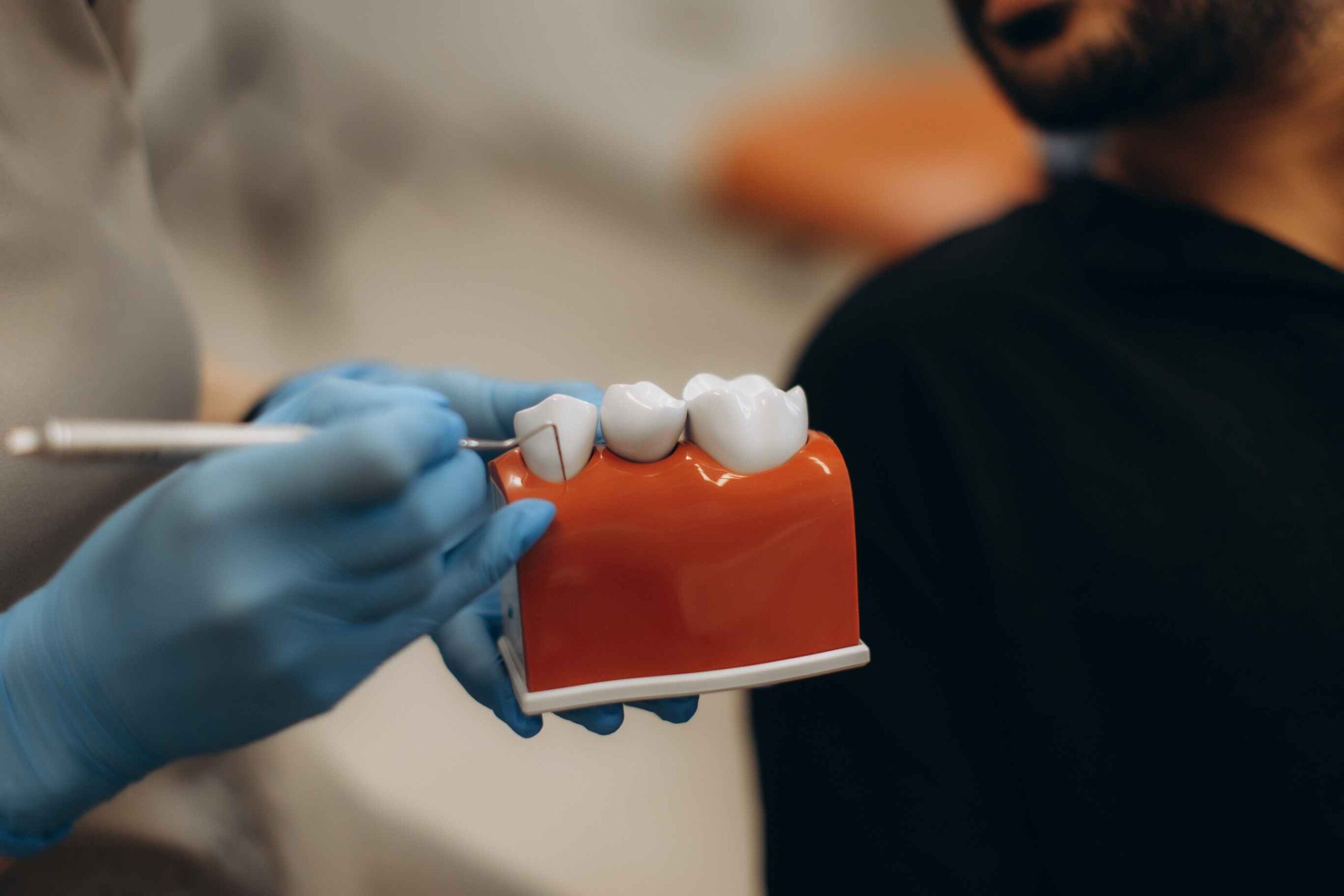
Best Tooth Replacement Options After Extraction Explained

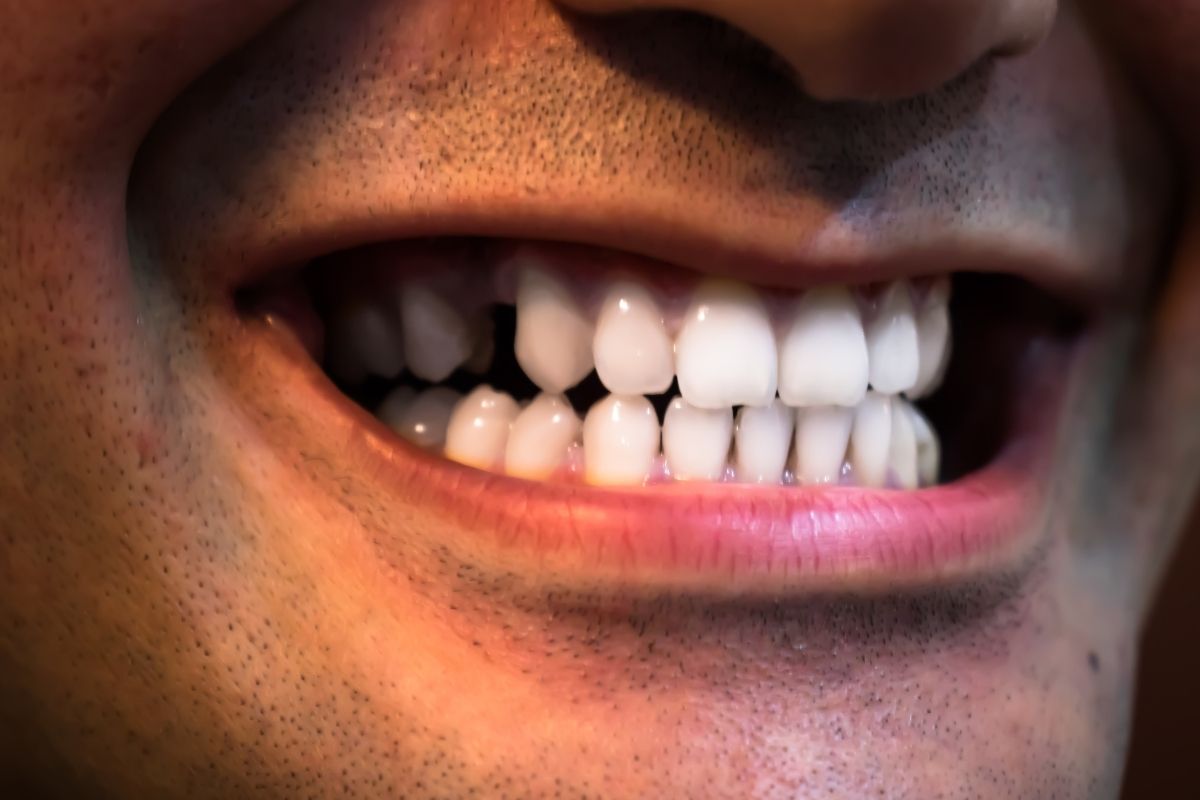
Losing a tooth can affect more than just the appearance of your smile. Missing teeth may change the way you chew, affect speech, alter bite balance, and gradually impact long-term oral health. After an extraction, many patients want to know whether they should replace the tooth and which option may work best for their situation.
At Avalon Dental & Orthodontics, Dr. Justin Bartholomew and our team help patients understand their restoration options based on their oral health, comfort, goals, and long-term needs. Since every smile is different, treatment recommendations should always be personalized rather than approached with a one-size-fits-all solution.
This guide explains the most common tooth replacement options after extraction, when replacement is recommended, and what patients should consider before choosing treatment.
Why Replacing a Missing Tooth Matters
After a tooth is removed, the surrounding teeth and jawbone can gradually begin to change. While some patients may not notice immediate issues, untreated tooth loss can eventually contribute to:
- Shifting of nearby teeth
- Bite imbalance
- Difficulty chewing certain foods
- Increased stress on surrounding teeth
- Changes in facial support
- Jawbone shrinkage in the missing tooth area
- Greater plaque buildup around neighboring teeth
The jawbone naturally depends on stimulation from tooth roots during chewing. Once a tooth is lost, the bone in that area may slowly begin to shrink over time. In many cases, replacing a missing tooth earlier can help preserve better long-term support and oral function.
Does Every Missing Tooth Need to Be Replaced?
Not always.
Whether a tooth should be replaced depends on several factors, including:
- The location of the missing tooth
- Bite function
- Oral health condition
- Bone support
- The number of missing teeth
- Long-term goals for comfort and function
Replacement is often more strongly recommended when:
- Chewing becomes difficult
- Teeth are beginning to shift
- Bite balance is changing
- A visible gap affects confidence
- Multiple missing teeth are involved
- Bone loss is becoming a concern
However, some missing teeth may not require immediate replacement depending on the patient’s bite and overall oral health. Certain back teeth, for example, may create fewer functional concerns in some cases.
A dental evaluation helps determine whether monitoring the area or restoring the tooth is the better long-term option.
Common Tooth Replacement Options After Extraction
There are several ways to restore missing teeth after extraction. The most appropriate option depends on:
- Overall oral health
- Bone condition
- Number of missing teeth
- Budget considerations
- Treatment goals
- Preference for removable or fixed restorations
The most common solutions include:
- Dental bridges
- Dentures
- Dental implants
- Implant-supported restorations
Dental Bridges
A dental bridge replaces a missing tooth using a prosthetic tooth supported by neighboring teeth.
Bridges may be recommended when:
- Nearby teeth already require crowns
- Faster treatment is preferred
- Implant placement may not be ideal
- Patients want a fixed restoration without surgery
Bridges can restore appearance and chewing ability effectively for many patients.
Advantages of Dental Bridges
- Fixed and non-removable
- Shorter treatment timeline
- Natural-looking appearance
- Effective for single missing teeth
Considerations With Bridges
- Healthy neighboring teeth may require reshaping
- Bone loss beneath the missing tooth area may continue over time
- Bridges may eventually require replacement depending on wear and maintenance
Dentures
Dentures are removable restorations used to replace several missing teeth or a full arch of teeth.
Modern dentures are designed to look more natural and fit more comfortably than older appliances. They can help improve speech, appearance, and daily function for patients with significant tooth loss.
However, traditional dentures may still have some limitations, including:
- Movement while eating or speaking
- Pressure spots or gum irritation
- Reduced chewing strength
- Continued jawbone shrinkage beneath the denture
For patients seeking improved support and stability, implant-supported options may provide additional benefits.
Implant-Supported Dentures and Overdentures
Patients missing multiple teeth may benefit from implant-supported dentures or implant overdentures instead of traditional removable dentures alone.
Implant overdentures attach securely to dental implants placed in the jawbone, helping improve:
- Stability while eating
- Speaking confidence
- Denture retention
- Overall comfort
- Bite support and chewing efficiency
Our practice provides implant restorations and implant-supported treatment designed to improve long-term comfort, function, and smile stability for patients with missing teeth.
These solutions may be especially helpful for patients frustrated with loose or uncomfortable dentures.
Dental Implants
Dental implants are designed to replace both the visible portion of the tooth and the root beneath the gums. The implant itself is a titanium post placed into the jawbone, where it integrates with the surrounding bone during healing.
Once healed, a custom restoration such as a dental crown, bridge, or implant-supported denture is attached to complete the smile.
Because implants support the jawbone directly, they are often recommended for patients seeking a stable, long-term tooth replacement option.
Benefits of Dental Implants
Dental implants offer several advantages for eligible patients, including:
- Natural appearance and feel
- Strong chewing support
- Improved stability
- Preservation of jawbone structure
- No reliance on neighboring teeth
- Long-term durability
- Support for single or multiple tooth replacement
Many patients choose implants because they function more similarly to natural teeth compared to removable appliances.
Understanding the Dental Implant Process
The dental implant process typically begins after the extraction site has healed sufficiently and the area is ready for restoration. Treatment timelines vary depending on bone support, gum health, and whether additional procedures are needed.
The process commonly includes:
- Comprehensive examination and digital imaging
- Evaluation of bone and gum health
- Implant placement within the jawbone
- Healing period for bone integration
- Placement of the final restoration, such as a crown, bridge, or implant-supported denture
Some patients may qualify for immediate implant placement shortly after a tooth is removed, while others may benefit from allowing the extraction site to heal first before beginning implant treatment.
The right timing depends on bone condition, gum health, and long-term stability of the restoration.
Who May Be a Candidate for Dental Implants?
Many adults with missing teeth may qualify for implant treatment if they:
- Have healthy gum tissue
- Maintain good oral hygiene
- Have adequate bone support
- Are in generally good oral health
- Want a long-term restoration option
Even patients with some bone loss may still qualify after procedures such as bone grafting or ridge preservation.
A full consultation and imaging evaluation help determine candidacy and the most appropriate treatment approach.
When Should a Missing Tooth Be Restored?
In many cases, replacing a missing tooth sooner can help reduce complications such as:
- Tooth shifting
- Bite changes
- Bone loss progression
- Additional stress on the surrounding teeth
- Difficulty chewing comfortably
However, treatment timing depends on:
- Healing after extraction
- Bone condition
- Gum health
- Overall oral health
- Long-term treatment goals
At Avalon Dental & Orthodontics, we take the time to understand each patient’s needs and explain treatment options clearly so you can make informed decisions about your oral health.
Conveniently located within the Churchill Farms Retail Center, our office proudly welcomes patients from Katy and surrounding communities for compassionate, comprehensive dental care.
If you are ready to explore your options after tooth loss, contact us to schedule a visit with our team and learn which solution may be the best fit for your smile, comfort, and oral health goals.
How Long Do Dental Implants Last?
Dental implants are designed to be long-term restorations. With proper oral hygiene and routine dental care, many patients maintain successful implants for decades.
Long-term implant maintenance includes:
- Daily brushing and flossing
- Regular dental checkups
- Professional cleanings
- Monitoring gum health
- Avoiding tobacco products when possible
The implant itself may last many years, while the attached restoration may occasionally require maintenance depending on normal wear over time.
Restoring Your Smile After Tooth Loss
Replacing a missing tooth is not only about appearance. The right restoration can help protect oral health, improve daily comfort, support bite function, and restore confidence over time.
At our dental office, Dr. Justin Bartholomew and our team work closely with patients to determine which tooth replacement option best fits their needs. Whether you are considering a bridge, denture, implant restoration, or implant-supported overdenture, our goal is to help you make informed decisions with long-term comfort and function in mind.
Frequently Asked Questions
What is the best tooth replacement option after extraction?
There is no single option that works best for every patient. Dental implants, bridges, dentures, and implant-supported restorations each have advantages depending on oral health, function, and treatment goals.
Are dental implants painful?
Most patients report manageable discomfort rather than severe pain. Modern techniques and local anesthesia help make implant procedures more comfortable than many patients expect.
Can dentures be supported by implants?
Yes. Implant-supported dentures and overdentures can improve stability, comfort, and chewing ability for patients missing multiple teeth.
How soon after extraction can a tooth be replaced?
Some patients may qualify for earlier restoration, while others may require additional healing time first. The timeline depends on bone condition, gum health, and overall oral health.
What if there is not enough bone for implants?
Bone grafting procedures may help rebuild support and improve candidacy for implant placement in many cases.