Severe Cavity: When Do Dentists Recommend Tooth Extraction?


Tooth decay rarely becomes severe overnight. It usually begins as a small problem that is easy to overlook. A little sensitivity when drinking something cold or a faint dark spot on a tooth might not seem like a reason to worry. Daily routines continue as usual, and the discomfort may come and go.
However, cavities tend to progress quietly. When decay continues to spread beneath the surface of the tooth, it can eventually weaken the structure, cause infection, and interfere with normal chewing. At that stage, the problem becomes harder to ignore.
Dentists always aim to preserve natural teeth whenever possible. Modern restorative treatments can repair many damaged teeth, even when decay has reached deeper layers. Still, there are situations where the damage from a severe cavity becomes too extensive for predictable restoration. In those cases, removing the tooth may be the most appropriate step to protect the surrounding teeth and restore comfort.
Understanding how cavities progress and when extraction may be recommended can make treatment decisions feel clearer and less stressful.
Understanding How Tooth Decay Develops
Tooth decay forms when bacteria in the mouth interact with sugars from food and drinks. This process creates acids that slowly weaken the enamel, which is the protective outer layer of the tooth.
In the early stages, the damage may appear as a small cavity or a softened area on the enamel. When detected early, this stage is usually treated with a dental filling that restores the shape and strength of the tooth.
If decay is not treated, it continues to move deeper into the tooth. The next layer, called dentin, is softer than enamel and allows the cavity to spread more quickly. Eventually, the decay can reach the pulp, the inner portion of the tooth that contains nerves and blood vessels.
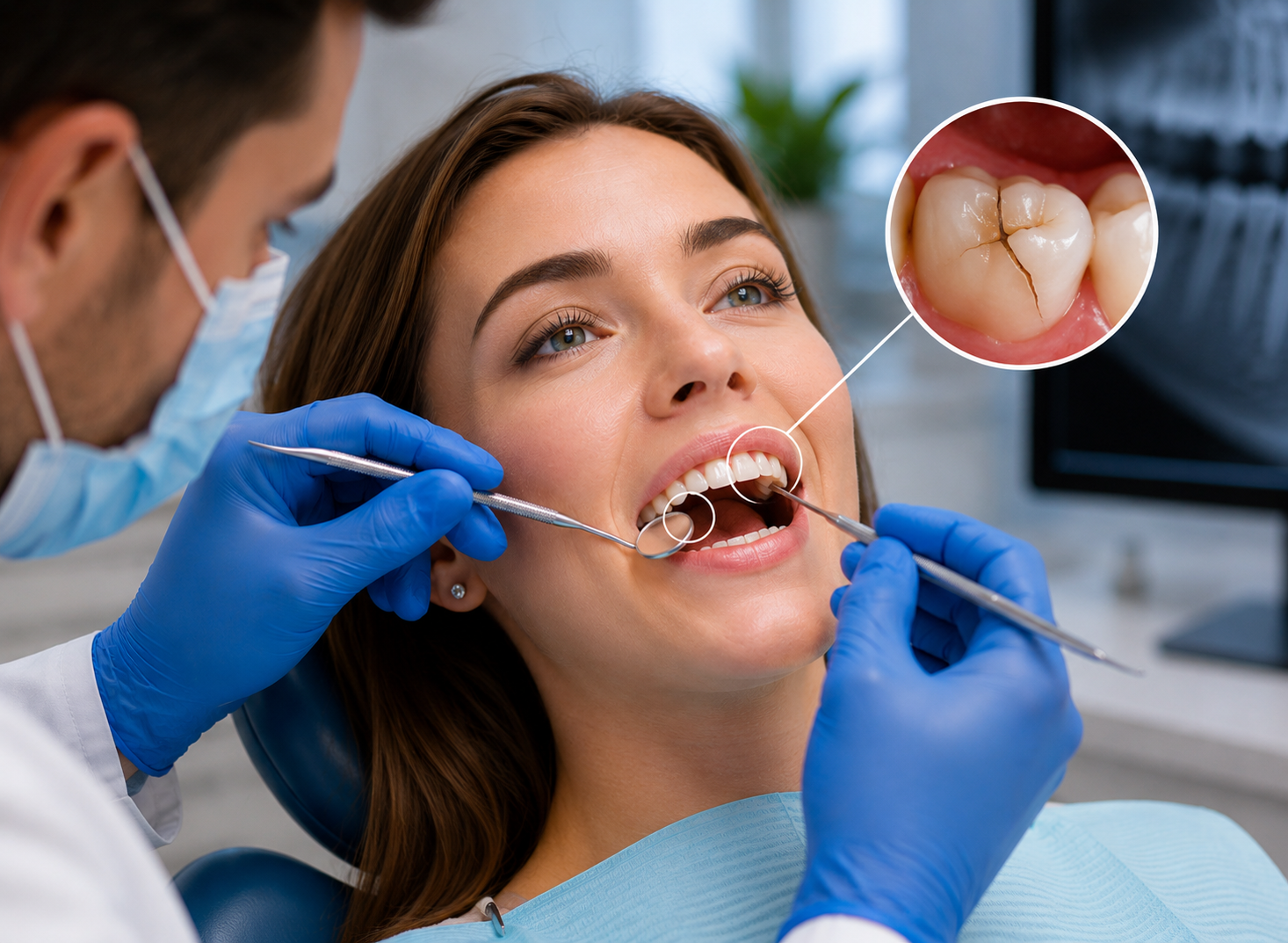
Once the pulp becomes involved, the risk of infection increases, and the tooth may begin to experience significant structural damage. Tooth decay cannot always be diagnosed based on visible signs alone and often requires a detailed dental examination to determine whether the tooth can be saved.
At Avalon Dental Group, we use modern diagnostic technologies to evaluate the condition of a decayed tooth and determine the most appropriate treatment approach based on the overall health of the tooth and surrounding structures.
How a Severe Cavity Can Affect Everyday Life
Advanced tooth decay can gradually interfere with normal daily activities. As the damage progresses, simple things like eating, speaking, or even concentrating at work can become uncomfortable.
A severely decayed tooth may cause ongoing pain or sensitivity that makes certain foods difficult to enjoy. Chewing on one side of the mouth may become necessary to avoid discomfort. In some cases, swelling or infection can develop around the affected tooth, which can also affect nearby gums and teeth.
These disruptions often make it clear that professional treatment is needed. Addressing severe decay not only helps relieve discomfort but also reduces the risk of the problem affecting other areas of the mouth. If you are experiencing persistent discomfort or notice any of the signs discussed below, we encourage you to contact our Sugar Land office at (281) 240-5559 to schedule an evaluation.
Signs That a Cavity May Be Severe
When decay becomes advanced, several noticeable changes may occur. Recognizing these signs early can help prevent the damage from spreading further.
Common signs of a severe cavity include:
- Persistent or throbbing tooth pain
- Sharp sensitivity to hot, cold, or sweet foods
- Visible holes or dark areas on the tooth
- Pain when chewing or biting down
- Swelling or tenderness around the gums
- A bad taste or persistent odor near the affected tooth
These symptoms often indicate that decay has moved beyond the outer enamel and requires attention.
When Dentists May Recommend Tooth Extraction
Even when a cavity is severe, dental professionals carefully evaluate whether the tooth can still be restored. Treatments such as crowns or root canal therapy often make it possible to preserve teeth that have experienced significant decay.
However, there are situations where the damage is too extensive for the tooth to function properly after restoration. Those are:
Extensive Loss of Tooth Structure
When a large portion of the tooth has been destroyed by decay, there may not be enough healthy structure left to support a filling or crown. If the remaining tooth cannot hold a restoration securely, extraction may provide the most reliable outcome.
Deep Infection in the Tooth
If bacteria reach the pulp, infection can develop inside the tooth. Root canal treatment often removes this infection while preserving the outer structure of the tooth. However, if the infection is severe and the tooth is already structurally compromised, removal may be recommended.
Decay Extending Below the Gumline
In some cases, a cavity spreads beneath the gumline. When decay reaches this level, it becomes difficult to place a stable restoration. Extraction may help prevent ongoing infection or discomfort in these situations.
Risk to Nearby Teeth and Gums
A severely decayed tooth can sometimes affect surrounding teeth and gum tissue. Removing the damaged tooth may help protect the health of the rest of the mouth and reduce the risk of further complications.
Restorative Treatments Are Always Considered First
At our Sugar Land office, our team generally explores ways to save a tooth before recommending extraction. Depending on the extent of the damage, several treatments may be considered.
These may include:
- Dental fillings to repair smaller cavities
- Dental crowns to restore heavily damaged teeth
- Root canal therapy to remove infection inside the tooth
These treatments focus on preserving the natural tooth structure whenever possible. Extraction is usually recommended only when the remaining tooth cannot be restored in a predictable and stable way.
What Happens After a Tooth Extraction?
If a severely decayed tooth must be removed, restoring the missing tooth is often an important part of maintaining balance in the bite. When a gap is left untreated for a long period of time, nearby teeth may gradually shift into the open space. This movement can affect alignment and make chewing less efficient.
Modern restorative dentistry offers several ways to replace a missing tooth, including dental implants, bridges, and removable restorations. These options help restore function while maintaining the stability of the surrounding teeth.
When to Seek a Dental Evaluation
Any persistent tooth pain, visible damage, or unusual sensitivity should be evaluated by a dental professional. If you are experiencing any dental concerns and live in Sugar Land or nearby areas, we encourage you to contact our office.
Our practice provides comprehensive dental care, offering treatments that address a wide range of dental concerns. Whether a tooth requires extraction or can be preserved with a restorative procedure, the goal is always to recommend the approach that best supports your oral health.
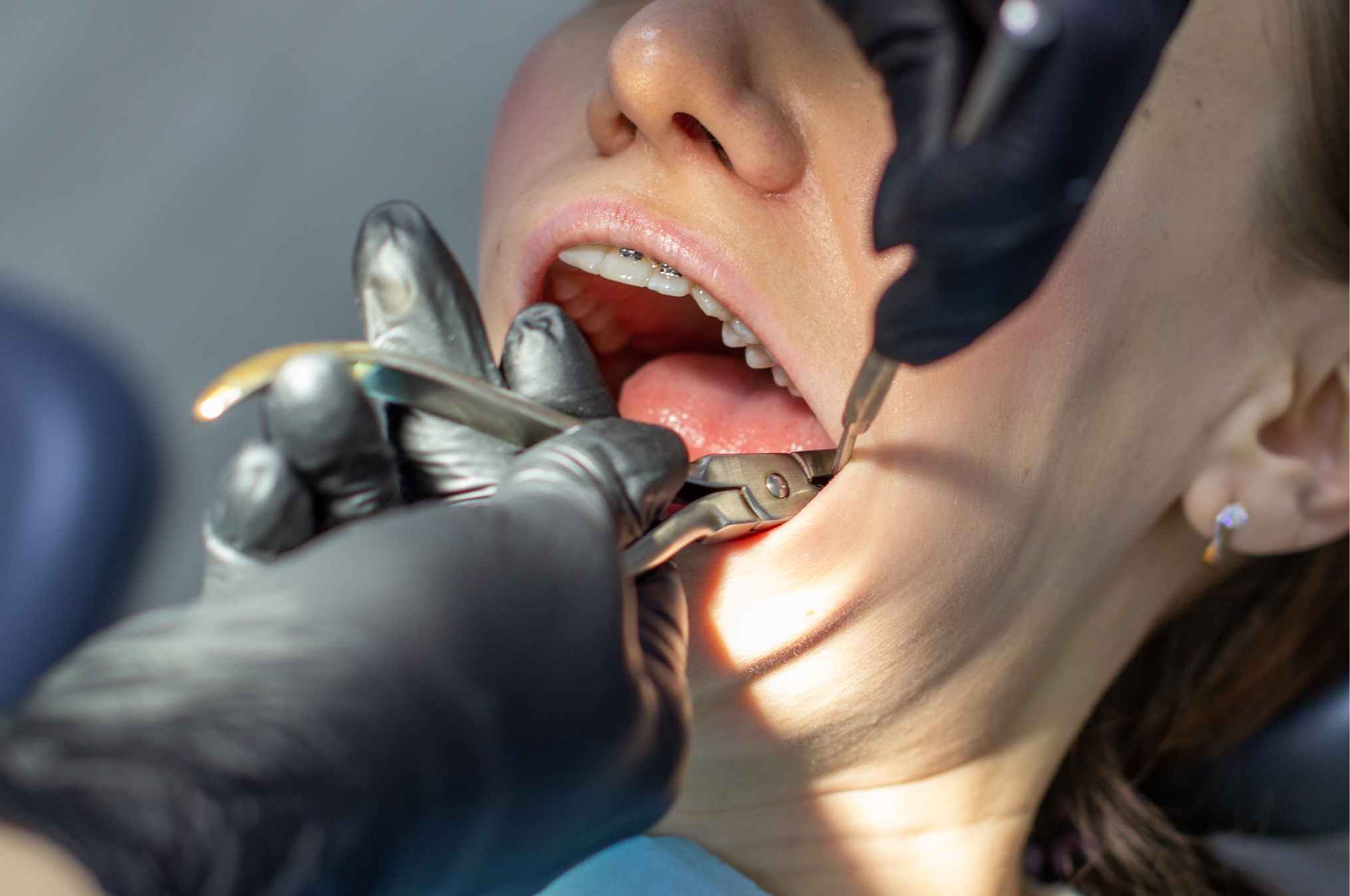
Comfort during treatment is also a priority. Our dentists are experienced in performing gentle, carefully managed tooth extractions, and sedation options may be considered based on your medical history to help ensure a calm and comfortable experience.
Our office is located in the Williams Trace Shopping Center, and we provide dental care for individuals and families throughout the area, including First Colony, Sweetwater, Sugar Creek, and surrounding communities. We accept most major insurance plans and remain open during regular weekday hours to help make dental care convenient and accessible when it is needed.
Protecting Teeth From Severe Decay
Although severe cavities can develop over time, early care often helps prevent the need for more extensive treatment.
Regular dental examinations allow the dental team to identify signs of decay before the damage becomes advanced. Professional cleanings, daily brushing and flossing, and limiting sugary foods can all help reduce the risk of cavities progressing to a severe stage. Taking these preventive steps and addressing dental concerns early can help maintain the health and strength of your teeth over time.