Water Flossers: Are They Worth It For Orthodontic Patients?

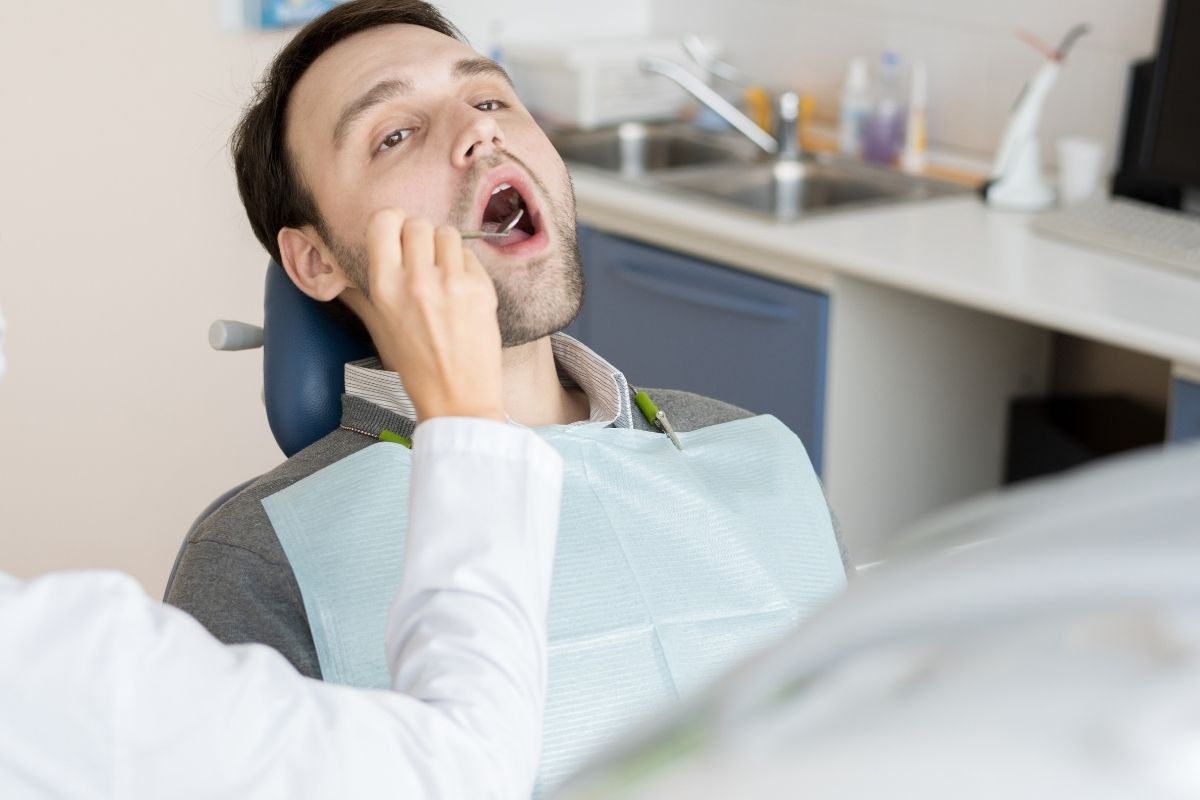
Keeping a healthy smile during orthodontic treatment takes a little extra attention. Braces and aligners make daily cleaning more involved because they introduce new surfaces and tight areas where food and plaque can hide. A toothbrush alone, no matter how thorough the routine, sometimes struggles to reach the places that matter most.
This challenge leads many people to explore tools that can make oral hygiene easier and more complete. Water flossers, also known as oral irrigators, are one of the most common additions. They use streams of water to clean around teeth and gumlines, and many patients ask whether they should make the switch.
Are water flossers truly helpful for orthodontic patients? Or are they simply a convenience item? Understanding how they work and where they fit in a care routine can help make that decision clearer.
Why Oral Hygiene Becomes More Challenging with Braces and Aligners
Orthodontic treatment is designed to move teeth gradually into better alignment, which means appliances such as brackets, wires, attachments, and aligners sit close to the teeth for long periods. While they play an important role, they also create spaces that can trap debris throughout the day. Tight areas between teeth become even harder to clean, and brushing alone may not reach everything.
When plaque remains in these spots, it can lead to several concerns:
- Redness or swelling of the gums
- White spots on tooth enamel
- Bad breath
- Early stages of decay around appliances
Staying ahead of these issues is essential not only for oral health but also for maintaining comfort throughout orthodontic care. A healthy mouth allows teeth to move effectively, making treatment feel smoother overall.
What a Water Flosser Does
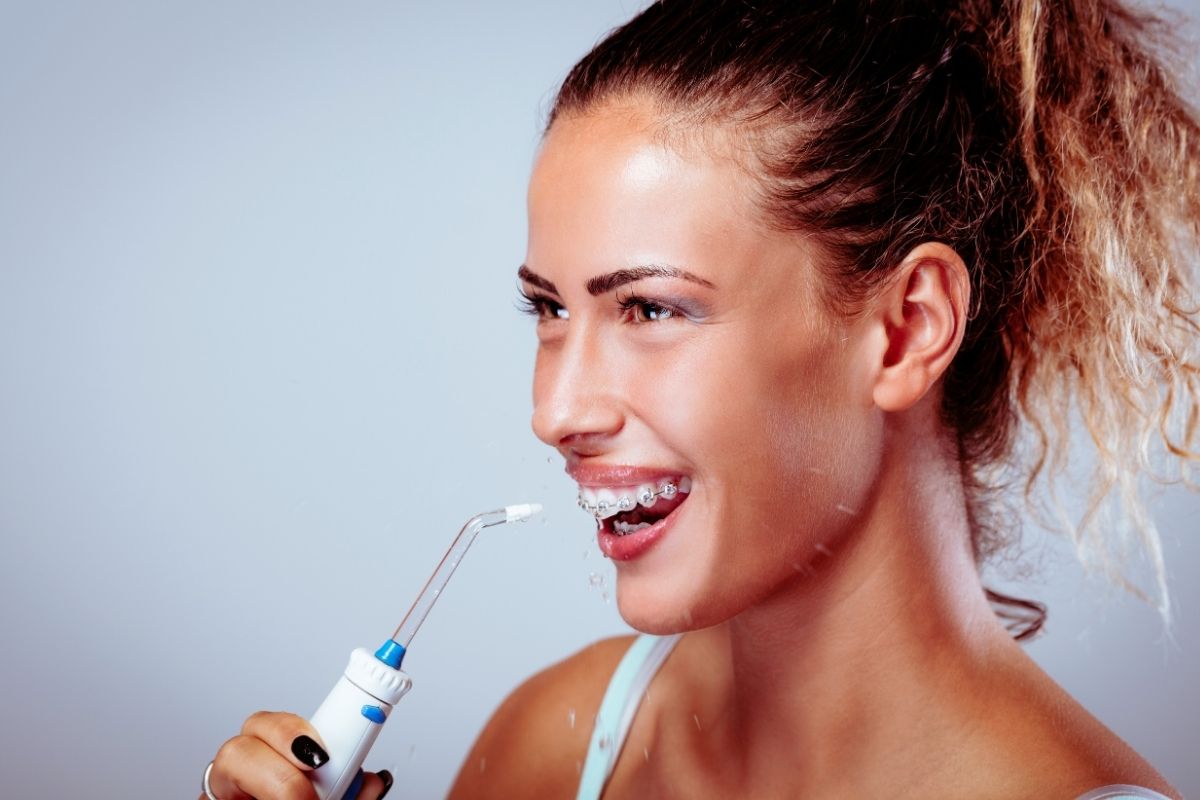
A water flosser directs a narrow, pressurized stream of water toward the areas where cleaning is needed. Instead of requiring the thread to be maneuvered around wires or between closely packed teeth, the water flows around the surfaces and gently washes away food and soft plaque.
For people in orthodontic treatment:
- Water can travel into spots that floss sometimes cannot reach
- Cleaning feels easier around appliances
- Gum irritation may be reduced when the process is gentle
- It removes debris before it hardens into something more difficult to remove later
With consistent use, patients often notice their mouth feeling cleaner throughout the day.
Why Many Orthodontic Patients Choose Water Flossers
The appeal for orthodontic patients is clear. A device that makes the job easier encourages better consistency. Here are some meaningful benefits that people often experience:
Better Reach: Brackets and wires can turn flossing into a detailed task. Water pressure navigates around these obstacles effortlessly, which can help reduce plaque in places that might be skipped otherwise.
More Comfortable for Sensitive Gums: Some patients find flossing uncomfortable, especially early in their orthodontic journey. Water’s gentle motion can make the cleaning process more tolerable while still supporting gum health.
Good for Dexterity Challenges: Threading floss behind every wire takes patience and coordination. A water flosser can improve independence for patients who struggle to complete the routine correctly.
Cleaner Feeling, Faster Routine: If a tool saves time and leaves the mouth feeling fresher, it becomes easier to stick with daily care. Better consistency means better outcomes in the long run.
The Device Has Limitations Too
Even with all the advantages, a water flosser should not be treated as a complete replacement for other hygiene tools. Mechanical cleaning, like flossing between teeth, still plays a necessary role in removing plaque from places water cannot fully sweep away.
Some important points to consider:
- It’s most effective when used alongside floss or interdental cleaners
- Technique and placement matter for results
- It is an investment that requires upkeep and space to store
- Everyone responds differently, and not all plaque is removed by water alone
Water flossers are best thought of as an addition, not a substitute.
How to Use a Water Flosser Effectively During Treatment
Orthodontic patients who get the best results from water flossers follow these strategies:
- Use the device once a day or more, especially after eating foods that cling to appliances
- Direct the stream along the gumline and around each bracket or attachment
- Start with a lower setting and increase based on comfort
- Move slowly and keep the tip close to the teeth
- Combine the process with brushing and occasional string flossing
Consistency matters more than perfection. Practicing a steady routine supports healthy gums and a smoother orthodontic experience.
Is a Water Flosser Right for Your Routine?
It’s natural to wonder whether adding another tool is worth the effort. The decision often depends on what you find difficult about your current cleaning approach. For many people, flossing around braces is the most time-consuming part of their day. If switching to water makes the routine easier and encourages follow-through, the choice can be worthwhile.
If you are currently receiving alignment care in the Katy area and are curious whether a water flosser would support your orthodontic journey, talk with our team at (832) 789-1997. We can review your appliance type, hygiene routine, and help determine whether adding this device makes sense for you.
Choosing a Device That Fits Your Needs
Not every water flosser is the same, so look for features that match your preferences:
- A tip designed for cleaning around appliances
- Multiple pressure settings
- A reservoir large enough for a full cleaning session
- A cordless design if your space is limited
- Simple maintenance that fits your lifestyle
Those in orthodontic care often appreciate models that specifically offer attachment options for brackets and wires. Asking questions during an appointment can make choosing simpler and more informed.
Considering Your Smile-Straightening Journey?
Orthodontic treatment often raises questions about the best way to keep your smile healthy along the way. If you’re preparing to begin your smile-straightening journey in Katy and want guidance that supports you from start to finish, our team is here to help you choose the right tools and habits for a comfortable, successful experience.
Final Thoughts: Are Water Flossers Worth It?
For many orthodontic patients, yes, a water flosser is worth the investment. It doesn’t replace brushing or flossing entirely, but it makes daily care easier, more comfortable, and more consistent. Those benefits can reduce irritation, protect enamel, and help treatment progress without avoidable delays.
With braces or aligners, your teeth are working hard to move into better positions. Giving them the support they need along the way helps ensure your new smile looks and feels its best.
Frequently Asked Questions (FAQs)
Can I safely use a water flosser if I have braces?
Yes. A water‐flosser is safe to use with orthodontic appliances and can help clean around wires and brackets more effectively. It’s best used in conjunction with your standard cleaning tools.
How often should I use a water flosser when wearing braces?
It is recommended that you use the device at least once daily, ideally after brushing, to flush out debris around your appliances and support consistent oral hygiene during treatment.
Will a water flosser replace traditional flossing entirely?
No. While water‐based cleaning improves reach in difficult areas, traditional flossing remains necessary for its mechanical scraping action; both methods work best together.
Is a water flosser more effective than string floss for braces?
Studies show that water flossers can effectively reduce plaque and gingival bleeding in hard‐to‐reach zones for bracketed teeth, though both tools still serve distinct roles.
What features should I look for when selecting a water flosser for orthodontic use?
For long-term hygiene success, choose a model with an orthodontic‐specific tip, adjustable pressure settings, ergonomics suited to wires/brackets, and ease of reservoir cleaning.