Do You Need to See a Dentist for Tooth Sensitivity?


Many people experience discomfort when eating or drinking something hot or cold. This reaction often points to tooth sensitivity, also known as dentin hypersensitivity. The condition is common and can range from mild irritation to sharp pain that affects daily life. Tooth sensitivity is usually a sign that the protective layer of the tooth, called enamel, or the surrounding gum tissue, has been compromised. The positive news is that with the right care, the sensitivity can often be reduced or completely resolved.
By learning what contributes to tooth sensitivity and knowing when professional care is needed, you can take effective steps to protect your smile.
Common Causes of Tooth Sensitivity
Tooth sensitivity occurs when enamel or gum tissue wears away and exposes the dentin underneath. Dentin contains tiny channels that lead directly to the tooth’s nerve. When dentin is exposed, sensations from hot, cold, sweet, or acidic foods can easily reach the nerve and trigger pain.
Some of the most common causes include:
- Tooth decay or cavities: When decay breaks through enamel, it exposes sensitive layers of the tooth.
- Enamel erosion: Frequent consumption of acidic foods, sodas, or overly aggressive brushing can wear enamel down.
- Gum recession: As gums pull away from the teeth, the roots become exposed and more sensitive.
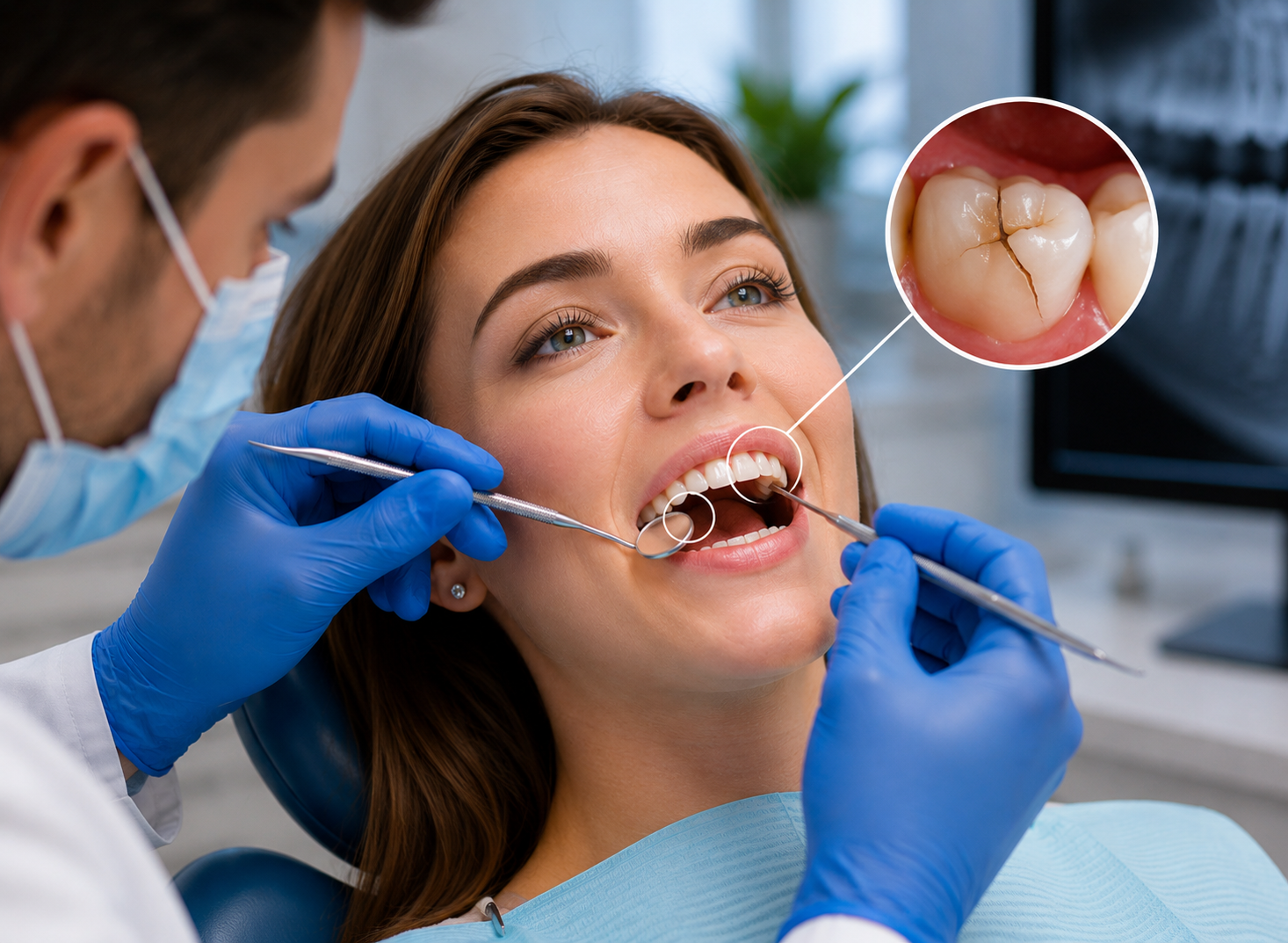
- Cracked or chipped teeth: Damage to the outer surface can reveal the dentin or affect the nerve inside the tooth.
- Teeth grinding (bruxism): Consistent grinding or clenching slowly wears down enamel.
- Recent dental treatments: Whitening, fillings, or other procedures can cause temporary sensitivity.
Identifying the cause of sensitivity is the first step in finding effective relief and preventing further discomfort.
When to Schedule a Dental Visit
Mild, short-term sensitivity can often improve with simple changes in daily habits. However, professional evaluation is recommended when pain lingers or becomes more intense. Sensitivity that lasts for several days or appears in only one area may indicate a deeper problem, such as a cavity, infection, or receding gums.
It is best to visit a dentist if you notice any of the following:
- Pain or discomfort that does not go away
- Sensitivity that affects only one tooth
- Visible gum recession or bleeding
- Lack of improvement with over-the-counter products
- Additional symptoms, like swelling or dark spots on the teeth
Ignoring tooth sensitivity can allow underlying conditions, such as decay or gum disease, to progress. Prompt professional care can help identify the cause and prevent more serious dental issues in the future.
Ways to Reduce Tooth Sensitivity at Home
Several small changes in your routine can help relieve mild tooth sensitivity and protect your teeth. These steps can reduce discomfort and slow enamel wear:
- Use a toothpaste designed for sensitive teeth to block pain signals and strengthen enamel.
- Choose a soft-bristled toothbrush and brush gently to avoid irritating gums.
- Limit acidic foods and beverages such as citrus fruits, coffee, wine, and carbonated drinks.
- If you grind your teeth, wear a custom night guard to protect your enamel while sleeping.
- Maintain consistent oral hygiene with twice-daily brushing, daily flossing, and regular rinsing with a fluoride mouthwash.
Although these measures may not completely remove sensitivity, they can help manage symptoms and prevent them from worsening.
Professional Treatments for Tooth Sensitivity
When at-home care is not enough, a dentist can recommend professional treatments that provide longer-lasting relief. At Avalon Dental Group, each patient’s treatment plan begins with identifying the exact cause of the sensitivity. Based on your needs, our dentist may suggest one or more of the following options:
- Fluoride treatments: Strengthen enamel and reduce sensitivity over time.
- Dental bonding: Covers exposed root surfaces or areas of worn enamel.
- Desensitizing varnishes or sealants: Create a protective barrier that limits pain triggers.
- Root canal therapy: Treats severe cases where the nerve inside the tooth is affected.
Each solution is personalized to help restore comfort, strengthen teeth, and protect overall oral health.
Find Relief with Professional Care
Tooth sensitivity can make everyday activities like eating or drinking uncomfortable, but it does not have to interfere with your life. Whether the cause is enamel erosion, gum recession, or another dental issue, professional care can help restore comfort and confidence in your smile.
If sensitive teeth affect your daily routine, our experienced dental team in Sugar Land is here to help. We will identify the root cause of your discomfort and create a treatment plan tailored to your needs.
Call us today at (281) 240-5559 to speak with our team.
The Takeaway
Tooth sensitivity is a common dental concern, but it should not be ignored. While mild cases can often be managed with desensitizing toothpaste and improved oral care, ongoing or severe discomfort may signal a more serious problem that requires professional attention. With personalized care and proper prevention, sensitive teeth can become healthy and strong again.
FAQs About Tooth Sensitivity
1. Can tooth sensitivity resolve without treatment?
In some cases, mild sensitivity can improve with good oral hygiene, desensitizing toothpaste, and lifestyle changes like reducing acidic foods. However, if the problem persists or worsens, it usually indicates an underlying dental issue that a professional should check.
2. Is tooth sensitivity a sign of a cavity?
Yes. A cavity can erode enamel and expose dentin, causing sharp or lingering pain when eating or drinking hot, cold, or sweet items. If your sensitivity is focused on a single tooth, it’s a good idea to have it examined by a dental professional.
3. What toothpaste is best for sensitive teeth?
The best choice is a fluoride-based toothpaste formulated specifically for sensitive teeth. These products work by blocking exposed tubules in the dentin to reduce nerve irritation. With consistent use, you’ll often notice less sensitivity after just a few weeks.
4. Can whitening toothpaste cause sensitivity?
Yes. Many whitening toothpastes contain abrasive particles or chemicals that wear down enamel over time. As enamel thins, the dentin beneath becomes exposed, leading to sensitivity. If you notice discomfort after whitening, switch to a gentler product designed for sensitive teeth.
5. How do dentists treat sensitive teeth?
Dental practitioners begin by identifying the cause of your sensitivity. Treatments may include fluoride applications, bonding agents, desensitizing varnishes, gum grafting, or, in severe cases, root canal therapy. The right solution depends on whether your sensitivity comes from enamel loss, gum issues, or nerve irritation.